

전시명 Exhibition Title
내면의 방: INNER ROOMS INNER ROOMS
전시 기간 Exhibition Period
2026.04.30(목) - 2026.06.25(목) 2026.04.30 - 2026.06.25
전시 장소 Venue
신세계 본점 더 헤리티지 The Heritage Museum (4F), Shinsegae The Heritage
참여공방 Participating Studios
디자인실Design Dept. 디자인실Design Dept.
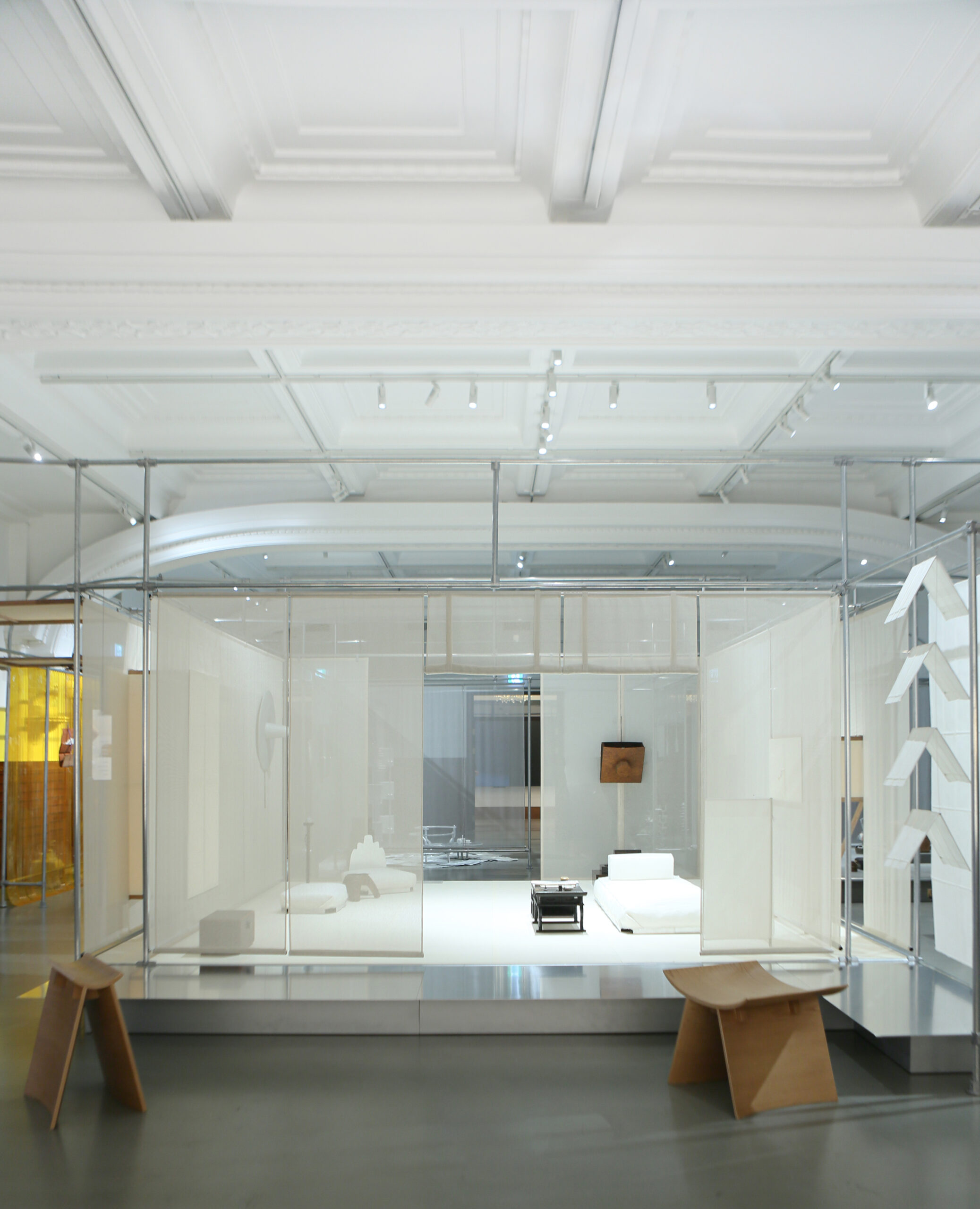
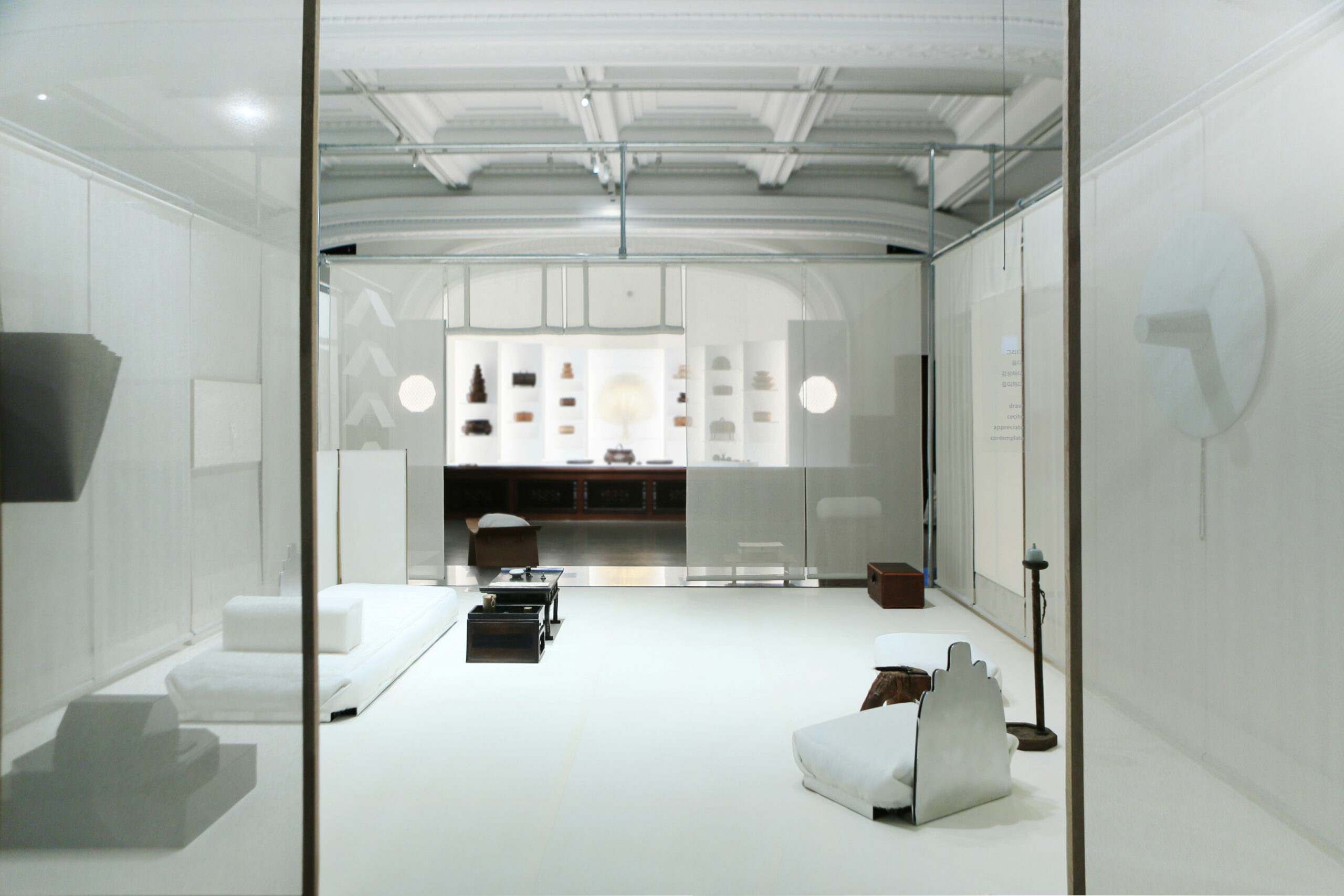
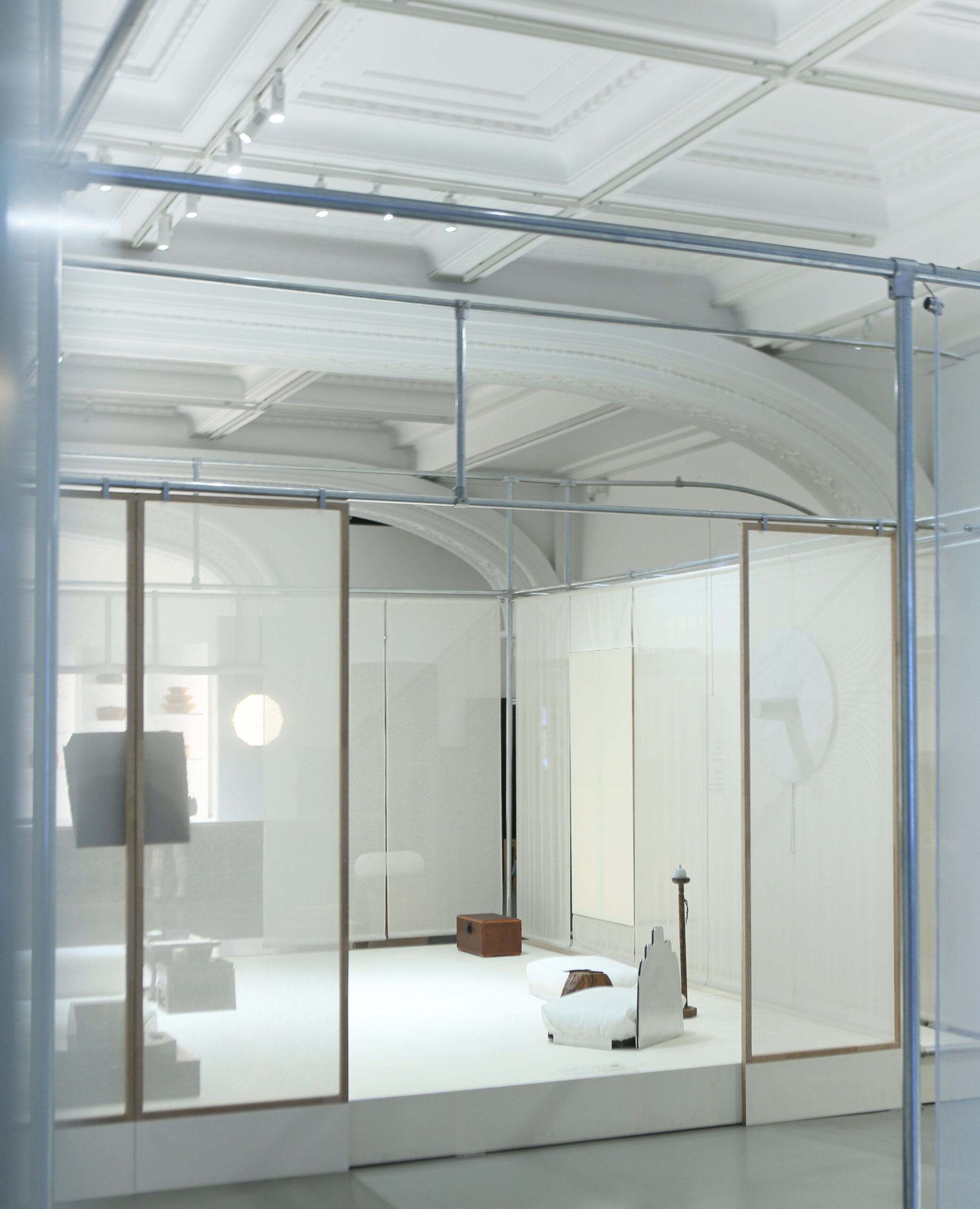
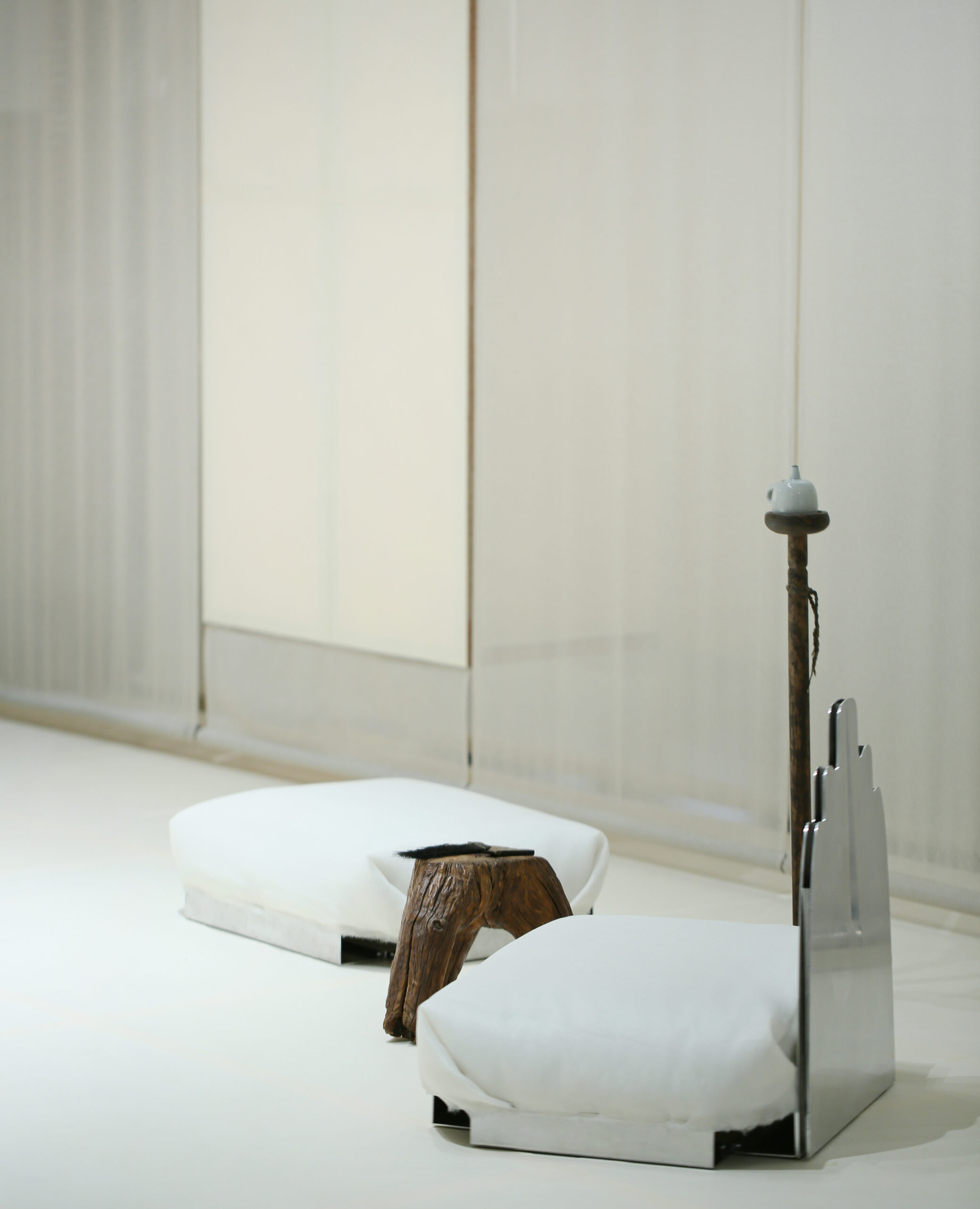
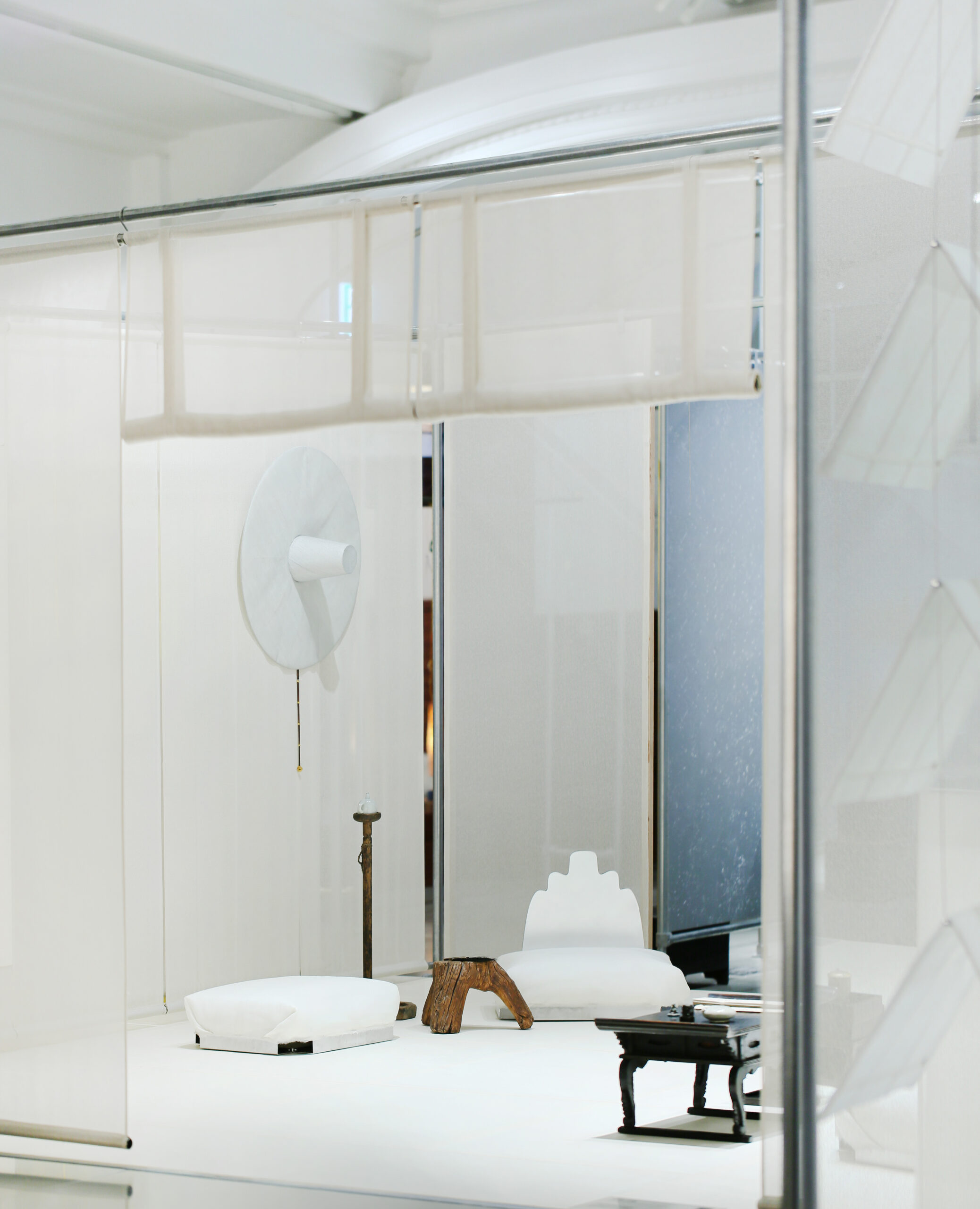
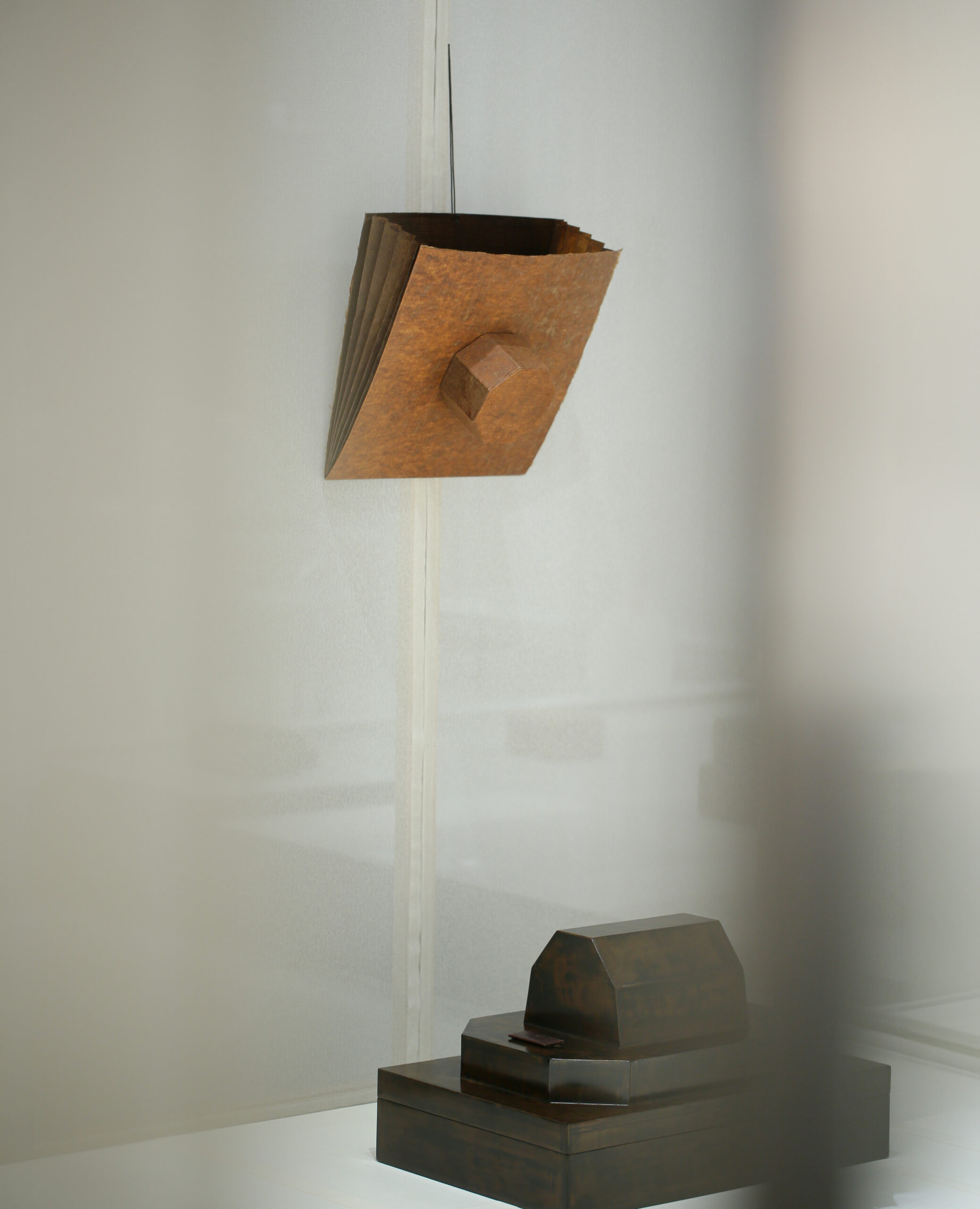
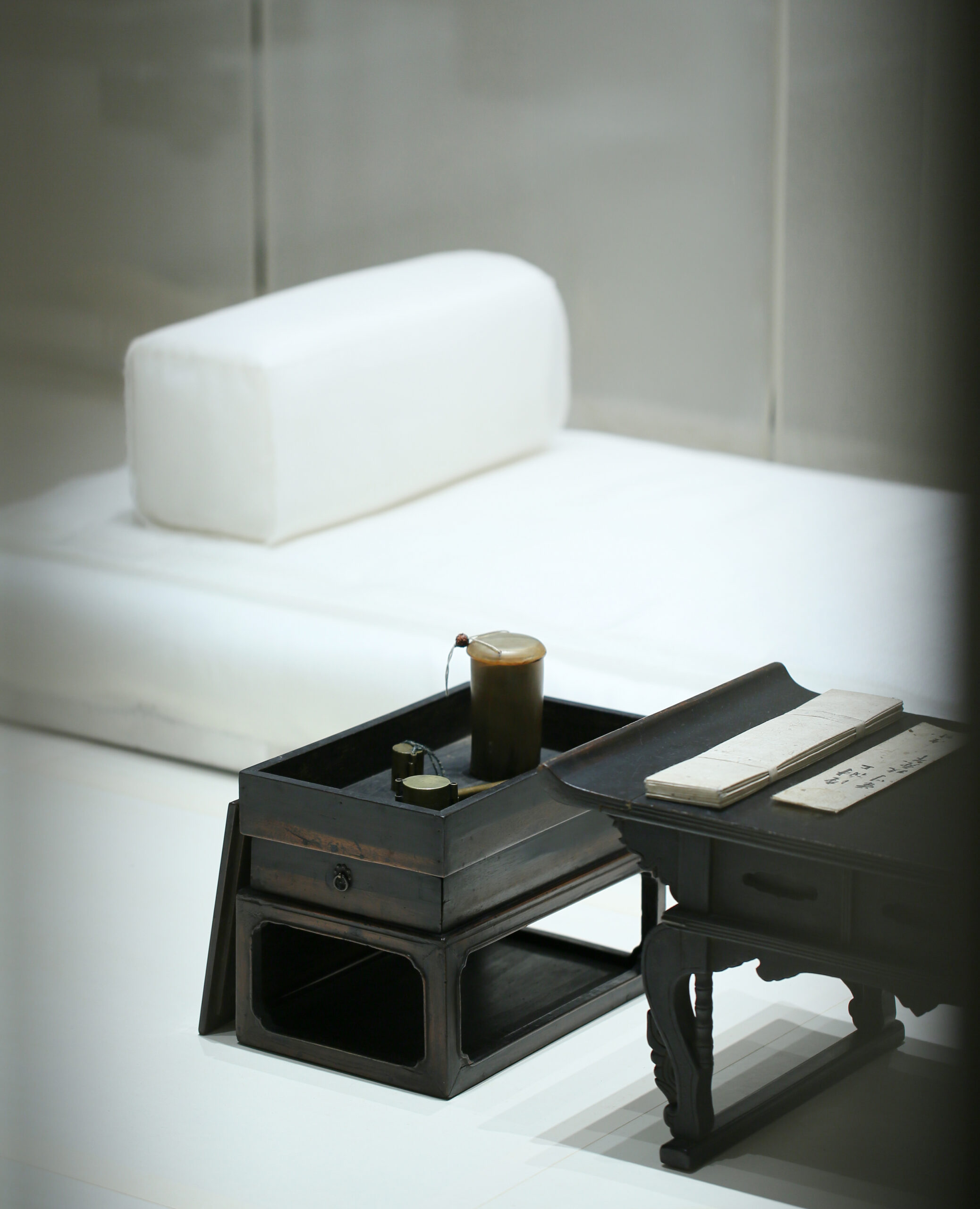
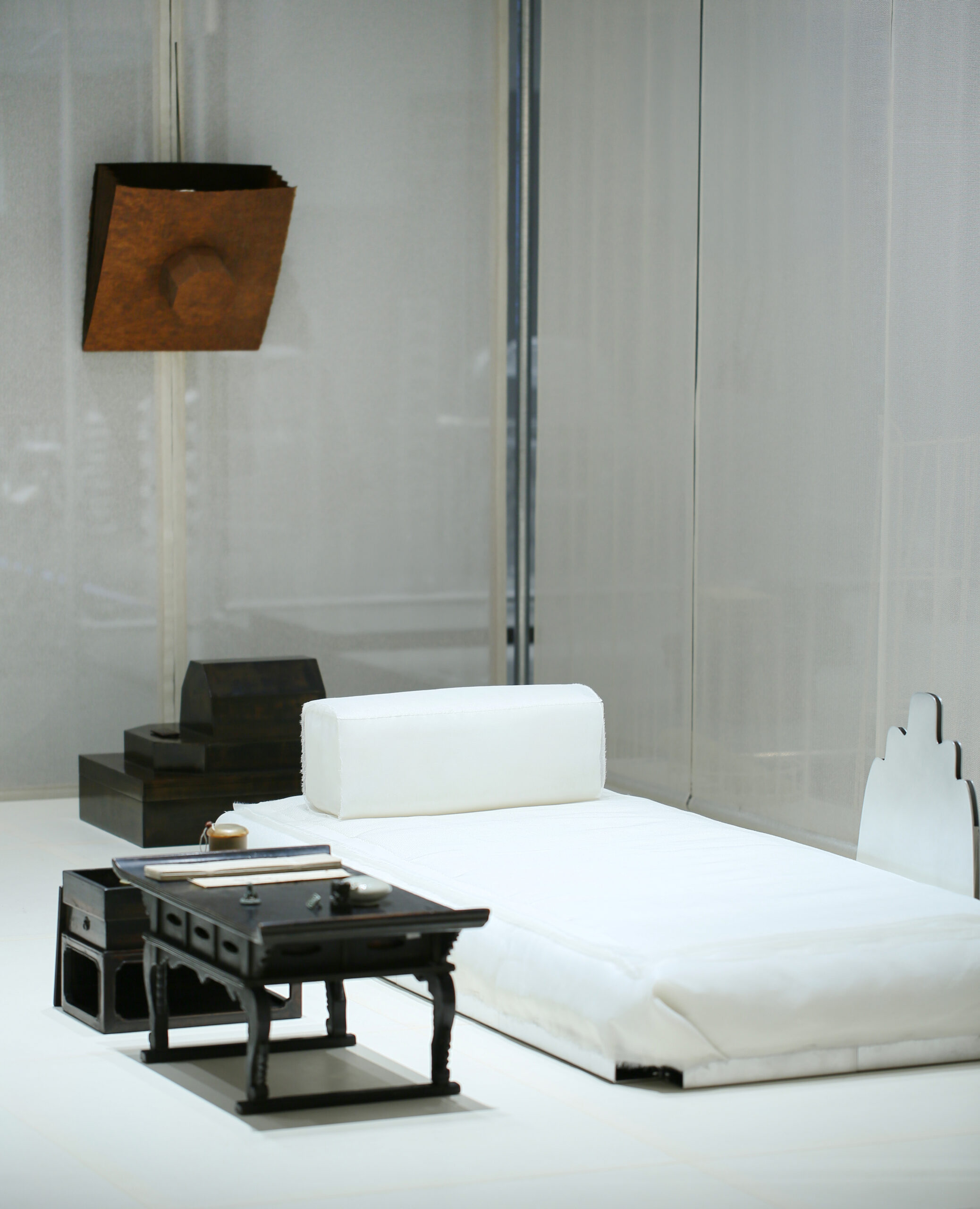
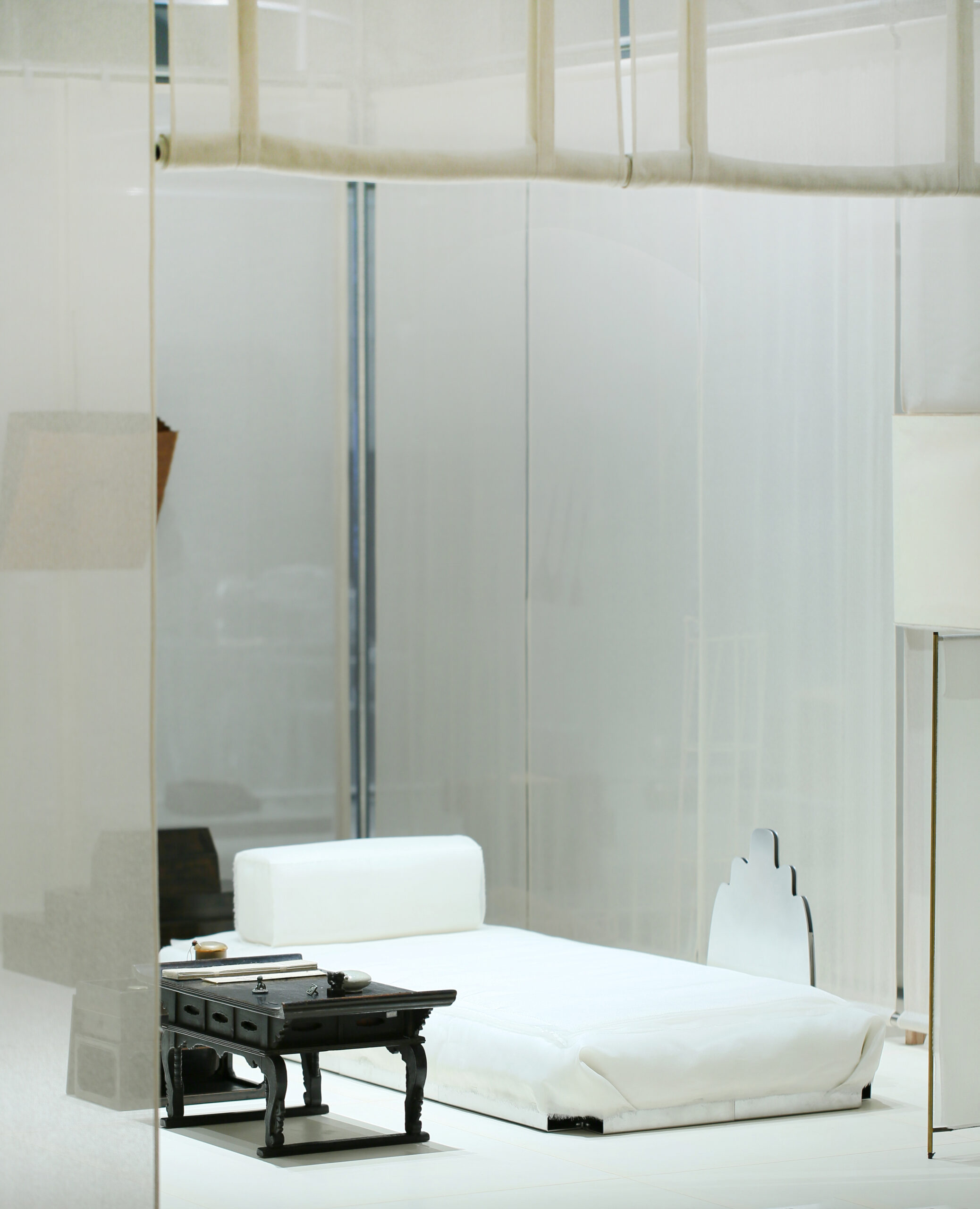
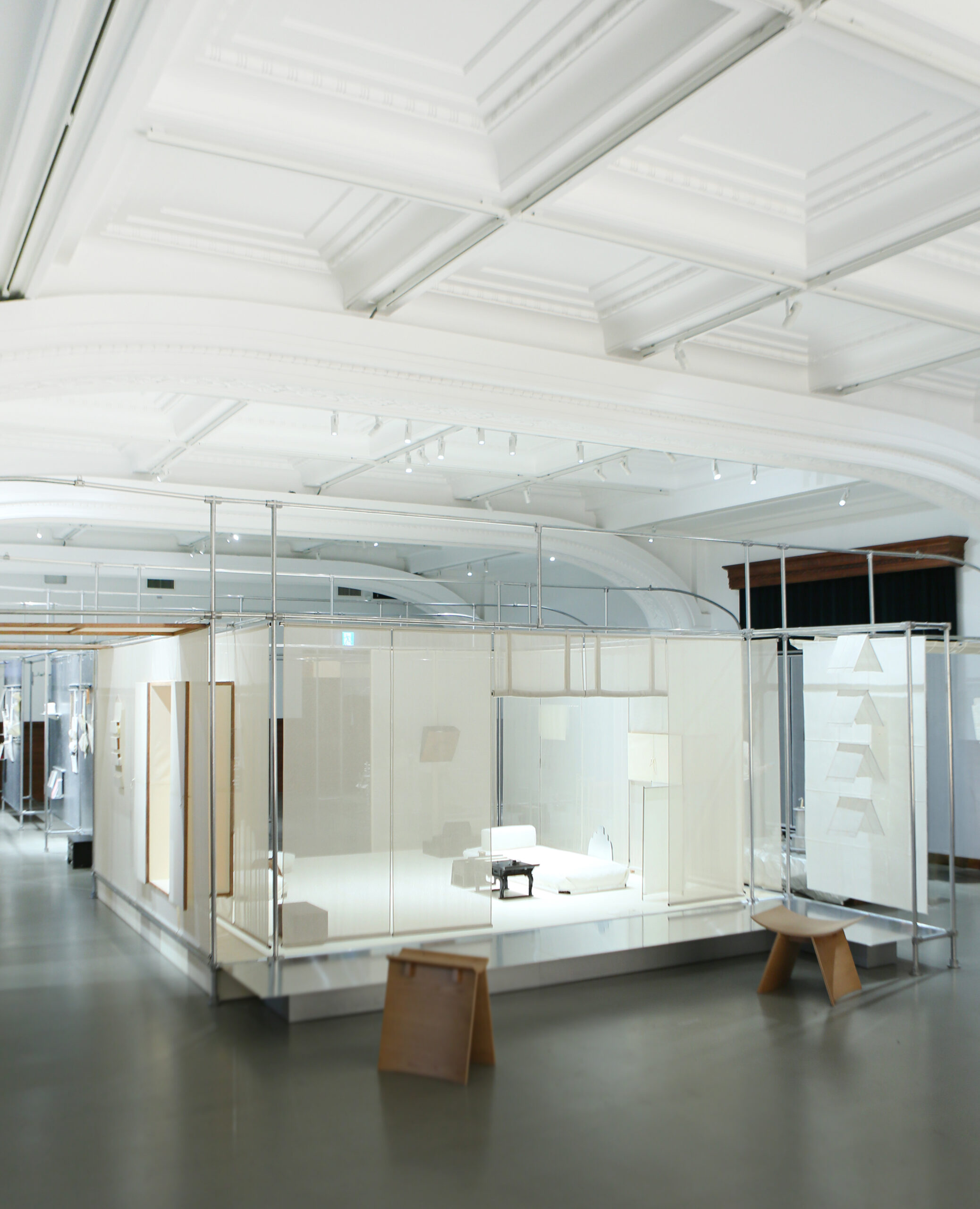
《내면의 방 INNER ROOMS》은 온지음 디자인실이 조선시대 사랑방의 미감과 태도를 오늘의 감각으로 다시 풀어낸 전시다. 사랑방은 흔히 선비의 서재로 기억되지만, 한옥 고택의 공간 구성과 유물, 생활의 기록을 따라가다 보면 그곳은 단순한 학문의 공간을 넘어 주인의 취향과 생활 방식, 사유의 흐름이 자연스럽게 스며든 유연하고도 개인적인 장소였다. 이번 전시는 ‘멋을 아는 문사’라는 하나의 페르소나를 바탕으로, 사랑방 안에서 반복되던 사유와 매무새의 장면들을 오늘의 재료와 감각으로 재구성한다.전시는 아침과 낮, 밤, 그리고 마당으로 이어지는 하루의 흐름에 따라 구성된다. 선비는 ‘보료’ 위에 앉아 몸의 중심을 고르고 옷깃을 정리하며 하루를 시작한다. 필요에 따라 옮겨지는 ‘안석’은 등받이가 되고, 뒤편의 거북과 오죽, 작은 병풍은 시선과 공간의 질서를 함께 정돈하는 배경이 된다. 낮이 되면 서안 앞으로 자리를 옮겨 문진과 벼루, 갓솔과 한지 봉투 사이에서 글을 읽고 손을 멈춘다. 종이를 고르거나 갓을 한 번 쓸어내리는 작은 움직임들은 단순한 행위를 넘어, 삶의 태도와 사유의 리듬을 드러내는 장면으로 이어진다. 밤이 되면 벽에 걸린 갓과 갓집, 그리고 관모함 안에 가지런히 놓인 관복과 관모를 통해 내일의 질서를 미리 준비하는 조용한 시간이 펼쳐진다. 사랑방 밖 마당에 놓인 ‘기와 의자’는 이러한 장면들을 바깥에서 응시하는 자리로 기능하며, 반복되는 사유와 매무새의 시간이 하나의 풍경으로 축적되는 과정을 보여준다.이번 전시에서 선보이는 작업들은 모두 전통의 형태와 원리를 바탕으로 오늘의 감각 속에서 다시 지어진 것들이다. 알루미늄 구조와 한복 원단을 결합한 ‘보료’, 조선 중기 갓의 형태를 온지음이 연구한 ‘라(羅)’ 직물로 재해석한 ‘라 갓’, 암키와와 수키와의 곡면에서 비롯된 구조를 현대적으로 풀어낸 ‘기와 의자’ 등은 과거의 생활 도구를 단순히 재현하는 데 머물지 않는다. 전통이 지닌 구조적 아름다움과 태도의 본질을 오늘의 재료와 방식으로 다시 연결하며, 사랑방이라는 공간이 지녔던 미감과 삶의 방식을 동시대의 언어로 확장한다.
INNER ROOMS is an exhibition by Onjium Design Dept. that reinterprets the aesthetics and ways of living associated with the Joseon-period sarangbang through a contemporary sensibility. Often remembered as a scholar’s study, the sarangbang emerges through the spatial arrangements of historic hanok, surviving objects, and records of everyday life as something more: an adaptable, deeply personal place imbued with its owner’s tastes, habits, and patterns of thought. Taking “a man of letters with an eye for elegance” as its central persona, the exhibition reimagines the recurring rituals of contemplation and personal grooming within the sarangbang through contemporary materials and sensory experiences.The exhibition follows the course of a day, moving through morning, afternoon, and night, and out into the courtyard. The scholar begins his day seated on a boryo, a padded floor seat, settling his posture and adjusting his collar. An anseok, a movable backrest, provides support wherever needed, while Tortoise and Black Bamboo: A Small Folding Screen behind him creates a backdrop that brings order to both the view and the space. During the day, he moves to a low writing desk, reading and pausing amid paperweights, an inkstone, a brush for his gat, the traditional Korean hat, and hanji envelopes. Small gestures—straightening a sheet of paper or brushing the hat—become expressions of an approach to life and a rhythm of thought. At night, a gat and its case hanging on the wall, together with official robes and headwear neatly arranged in a storage chest, evoke a quiet interval of preparation for the following day. In the courtyard outside, the Kiwa Chair offers a place from which to contemplate these scenes, revealing how repeated moments of reflection and tending to one’s appearance accumulate into a single landscape.All the works presented in the exhibition are newly made for the present, drawing on traditional forms and principles. The Boryo, which combines an aluminium structure with hanbok fabric; the Ra Gat, which reinterprets a mid-Joseon hat form using the ra (羅) fabric researched by Onjium; and the Kiwa Chair, whose structure derives from the curved surfaces of concave and convex roof tiles, move beyond the reproduction of historical objects. Reconnecting the structural beauty of tradition and the essential attitudes it embodies with contemporary materials and methods, they bring the aesthetics and ways of living of the sarangbang into a contemporary language.
관련 작품 Related Artworks
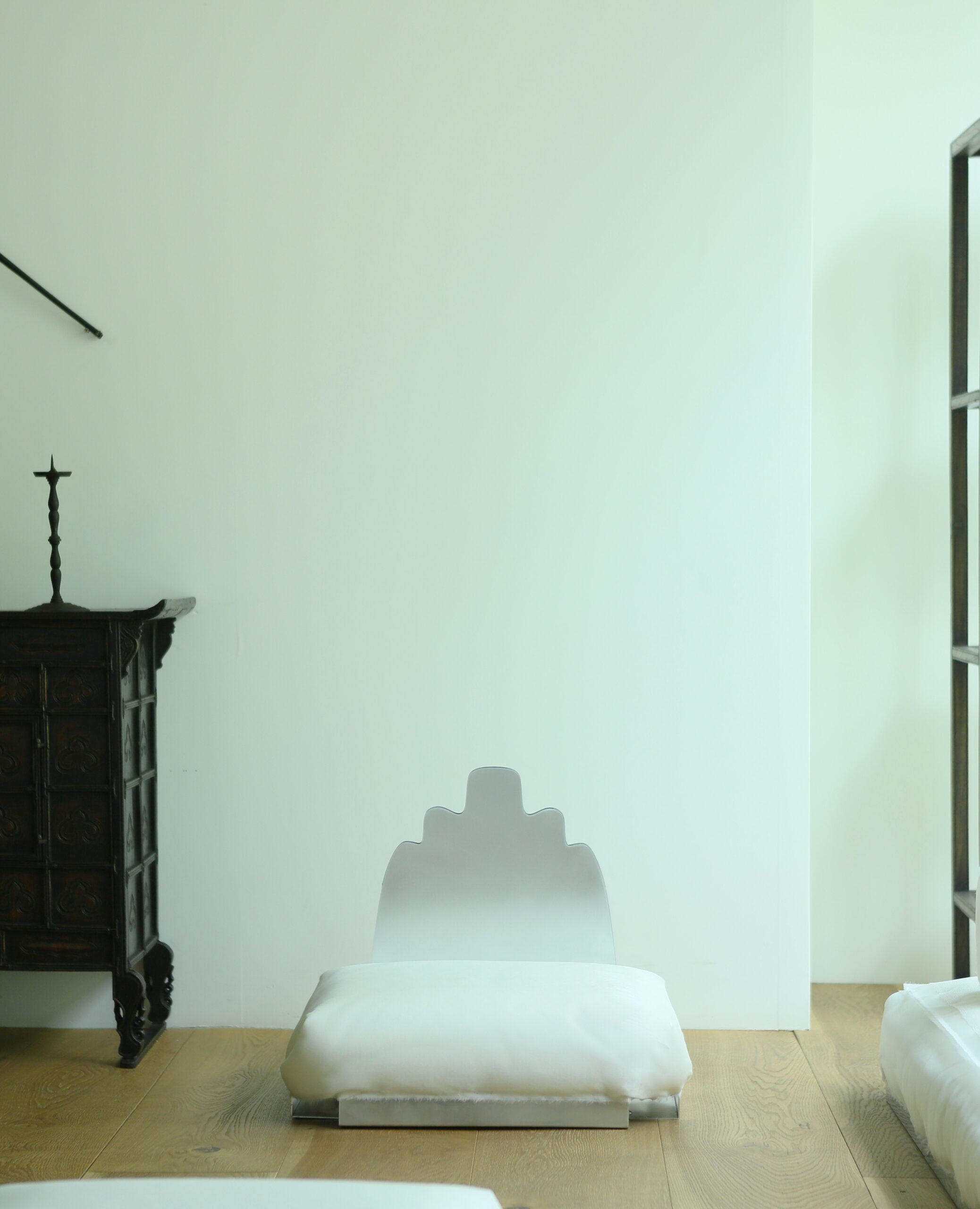
보료 Boryo
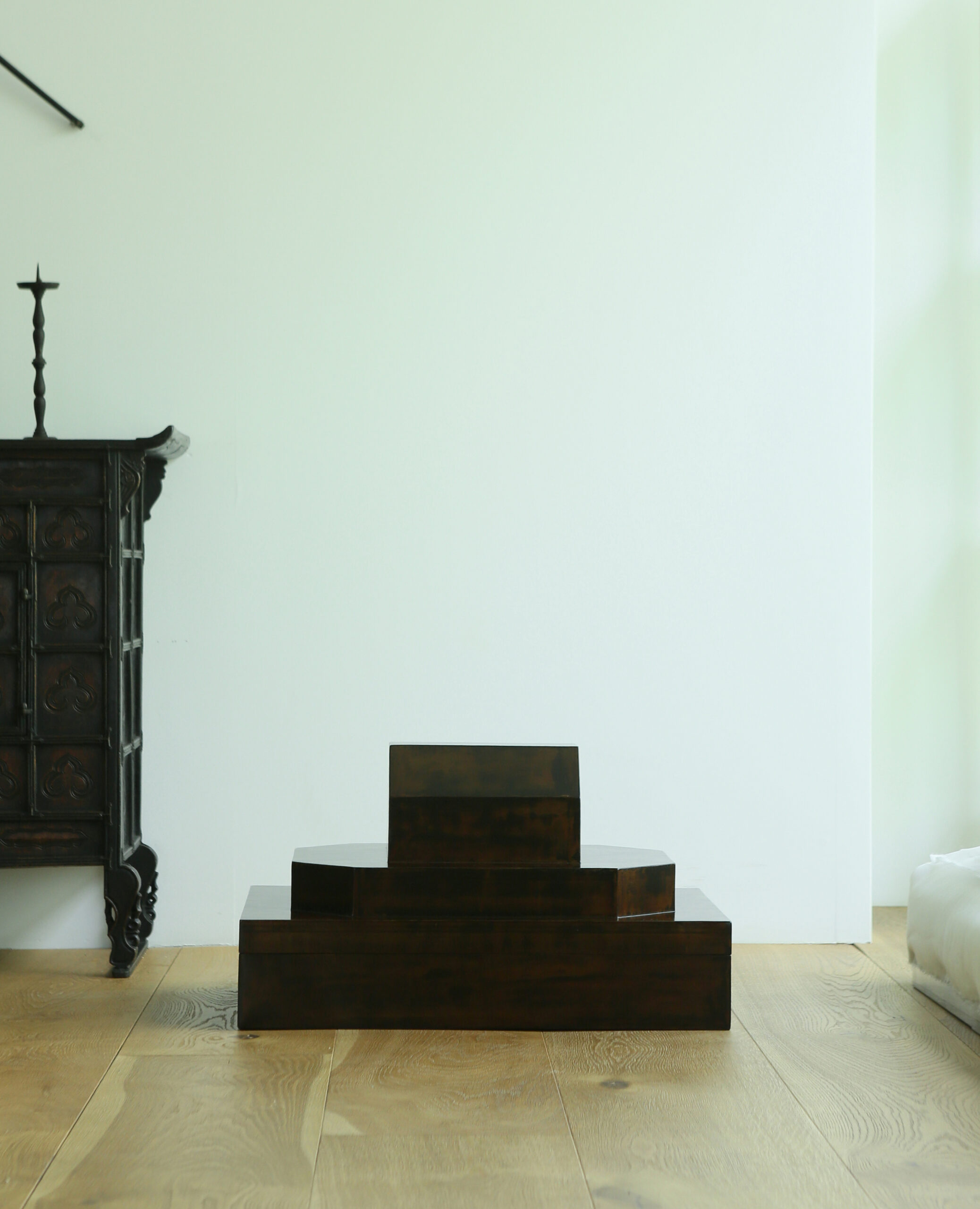
관모함 Gwanmoham
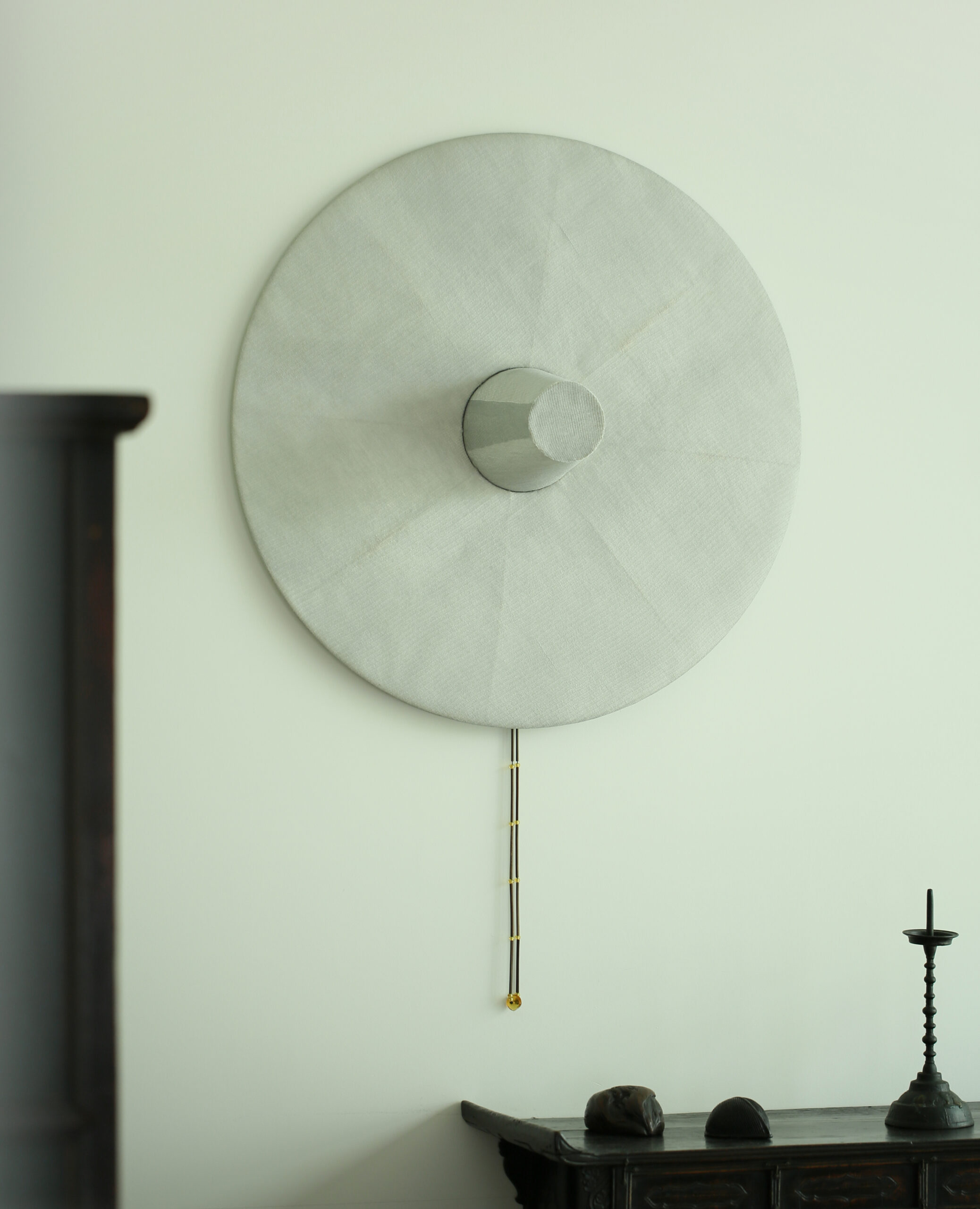
라 갓 Ra Gat
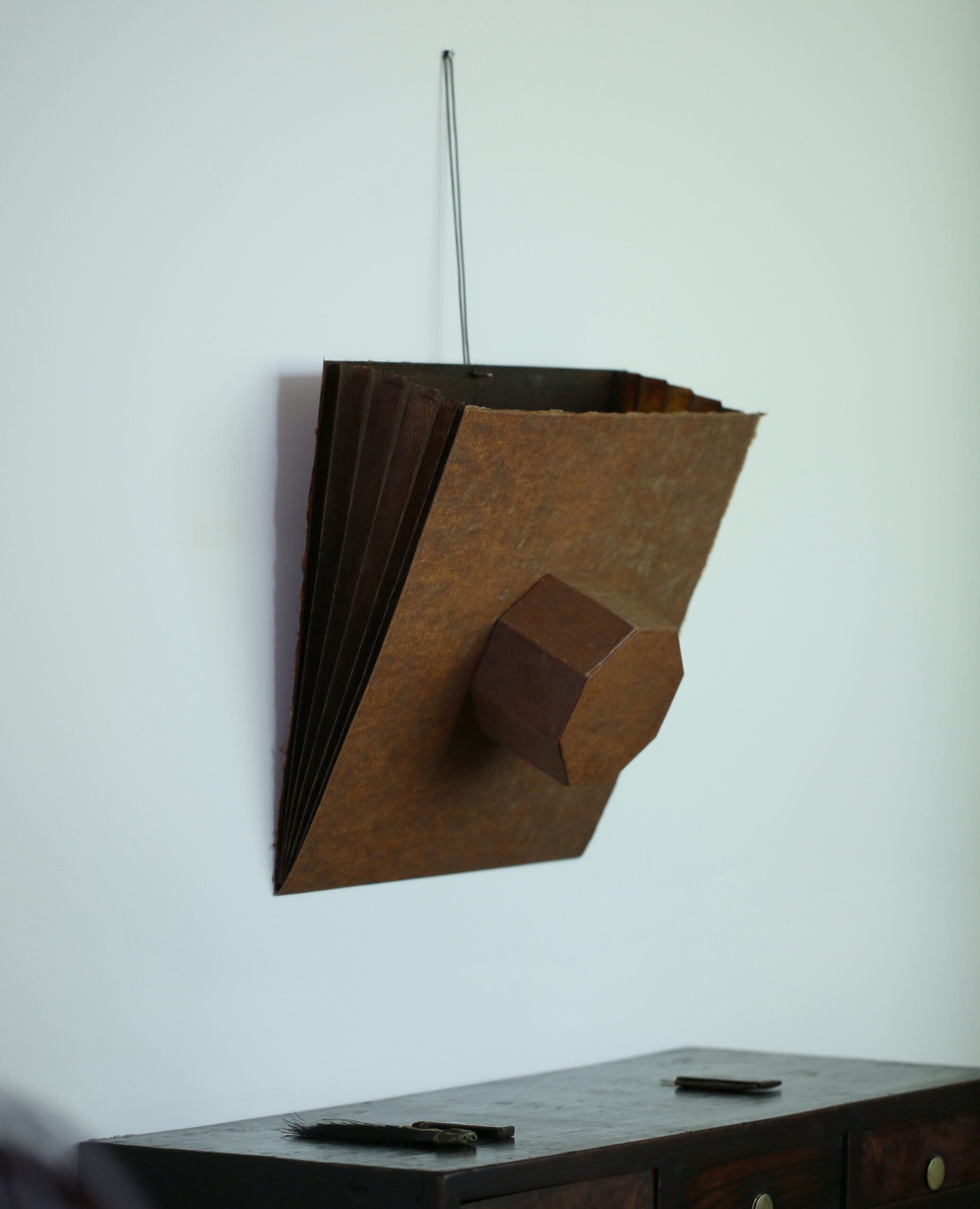
갓집 Gatjip
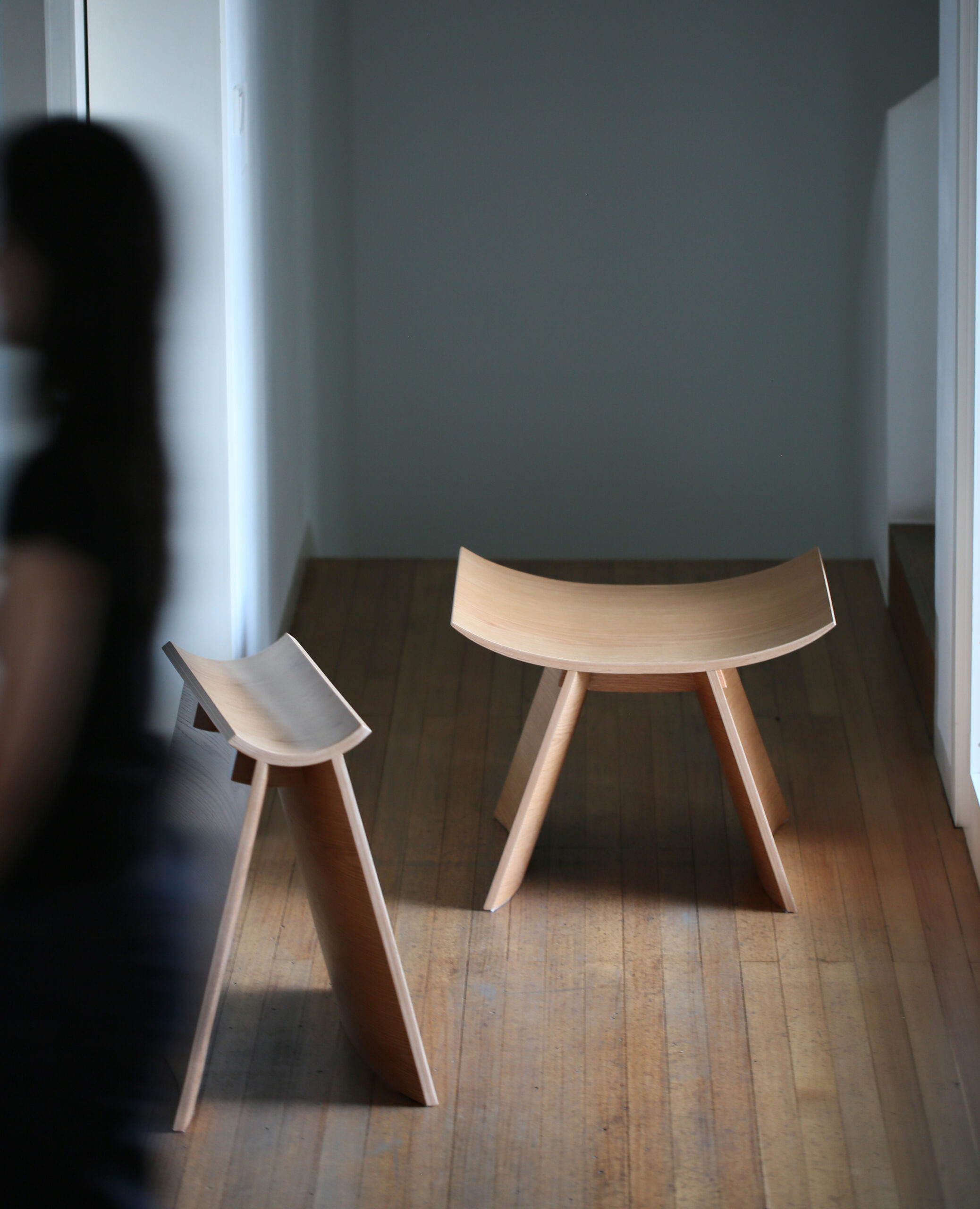
기와 가구 Kiwa Furniture
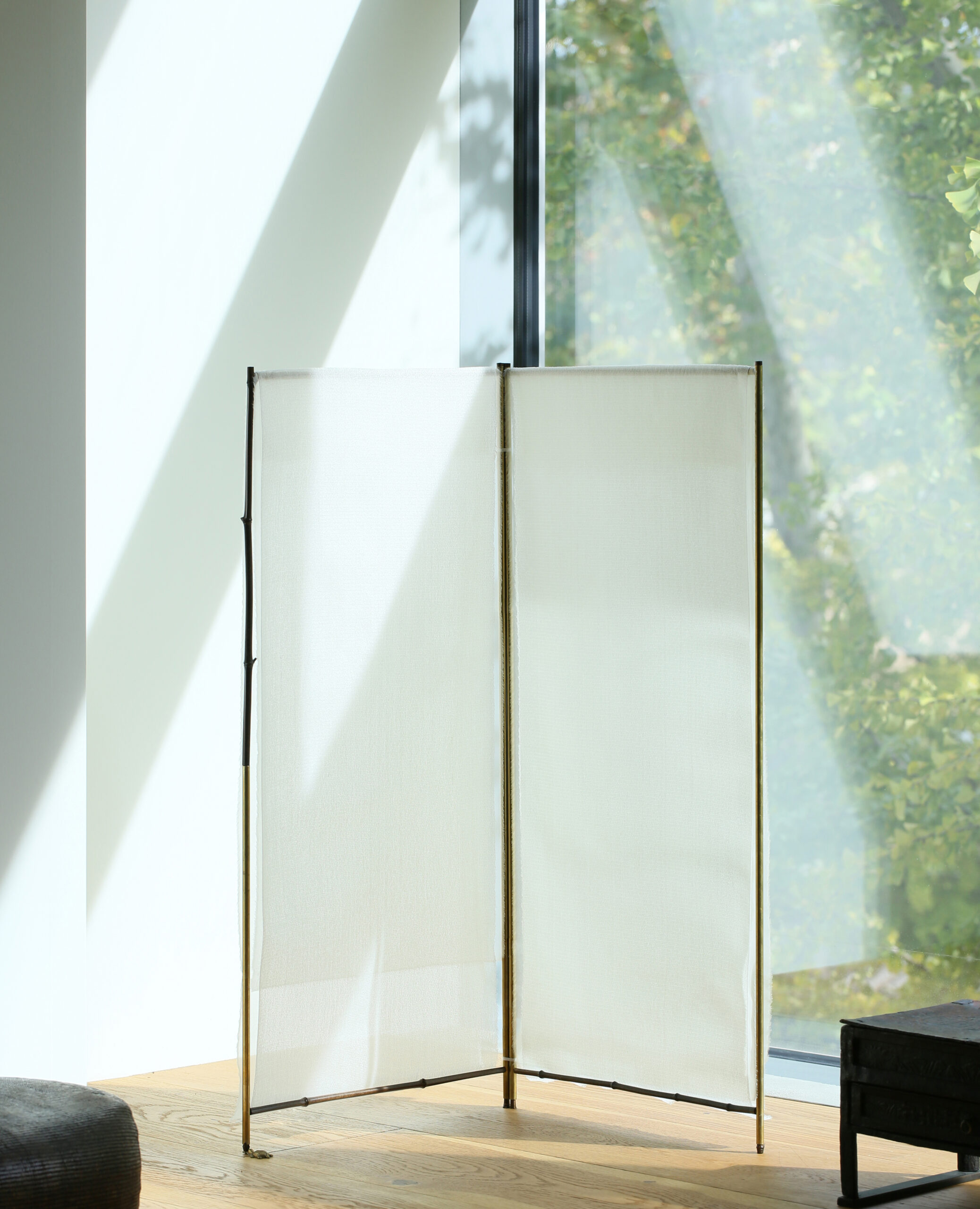
거북과 오죽, 작은 병풍 Turtle and Black Bamboo: A Small Folding Screen
- 전시명Exhibition
- 연도Year
- 참여 공방Studio