

전시명 Exhibition Title
라(羅), 빛을 엮다 Ra, Weaving Light
전시 기간 Exhibition Period
2025.04.09(화) – 2025.04.27(일) 2025.04.09 – 2025.04.27
전시 장소 Venue
재단법인 아름지기 Arumjigi Culture Keepers Foundation
참여공방 Participating Studios
옷공방Clothing Studio 옷공방Clothing Studio
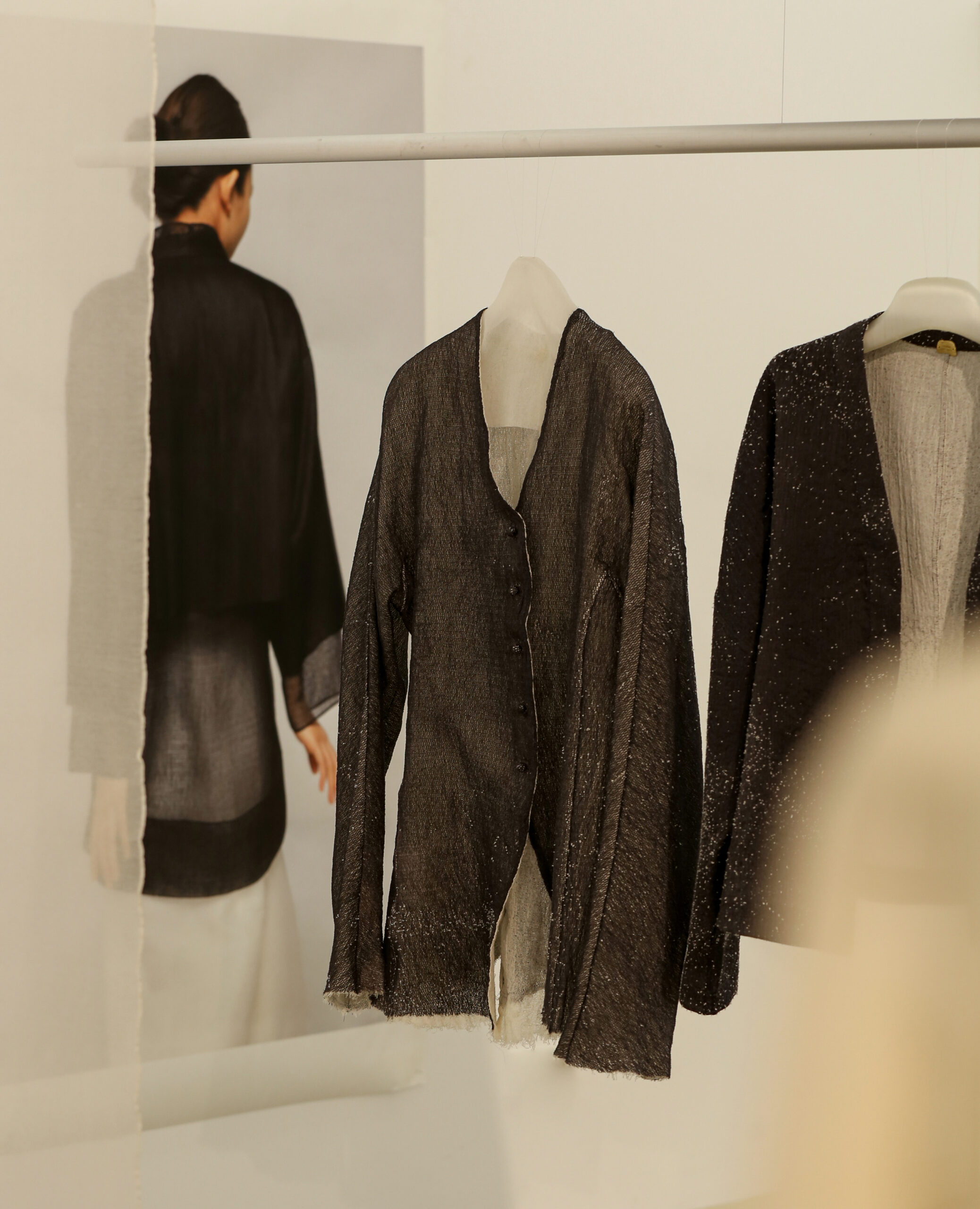
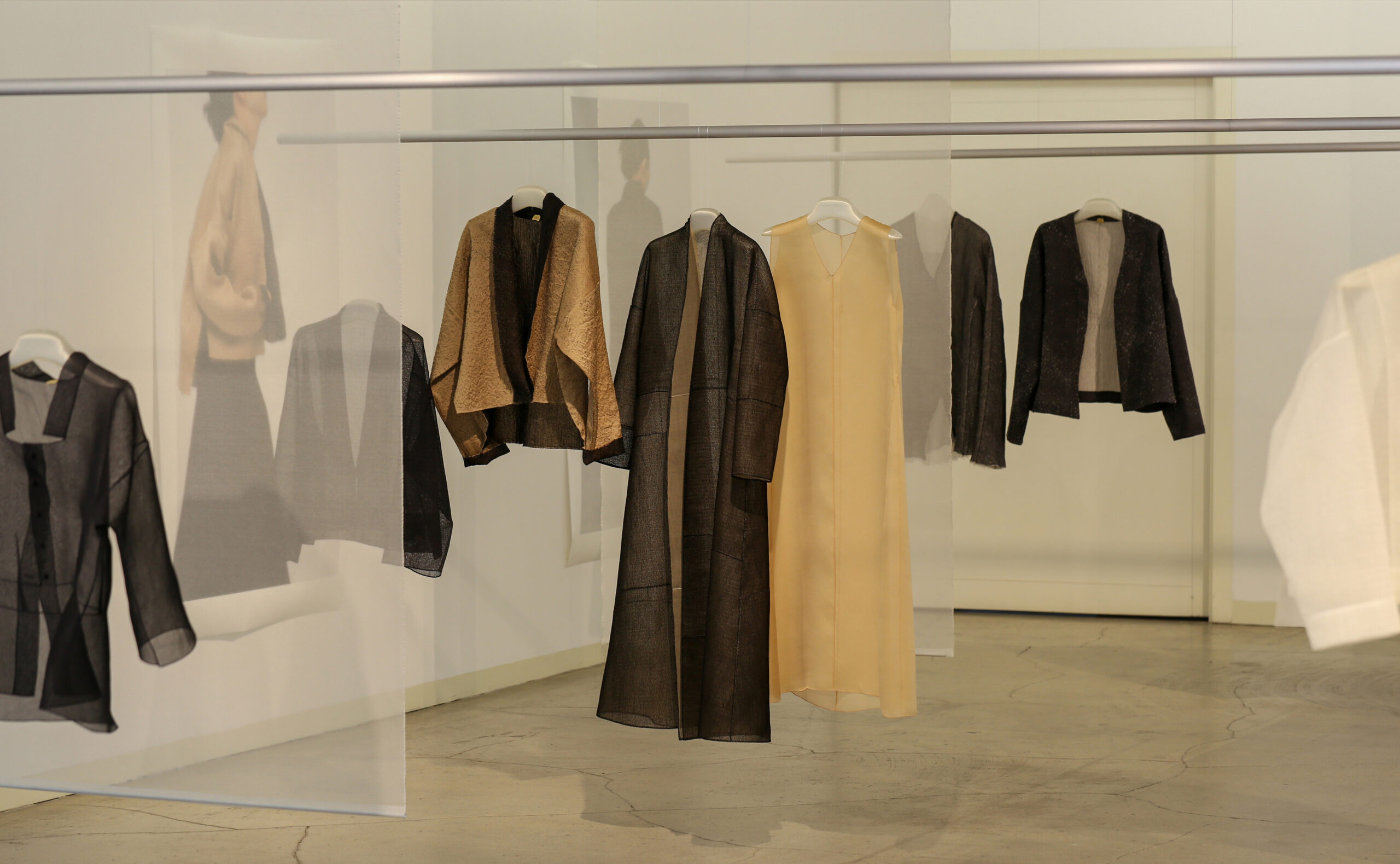
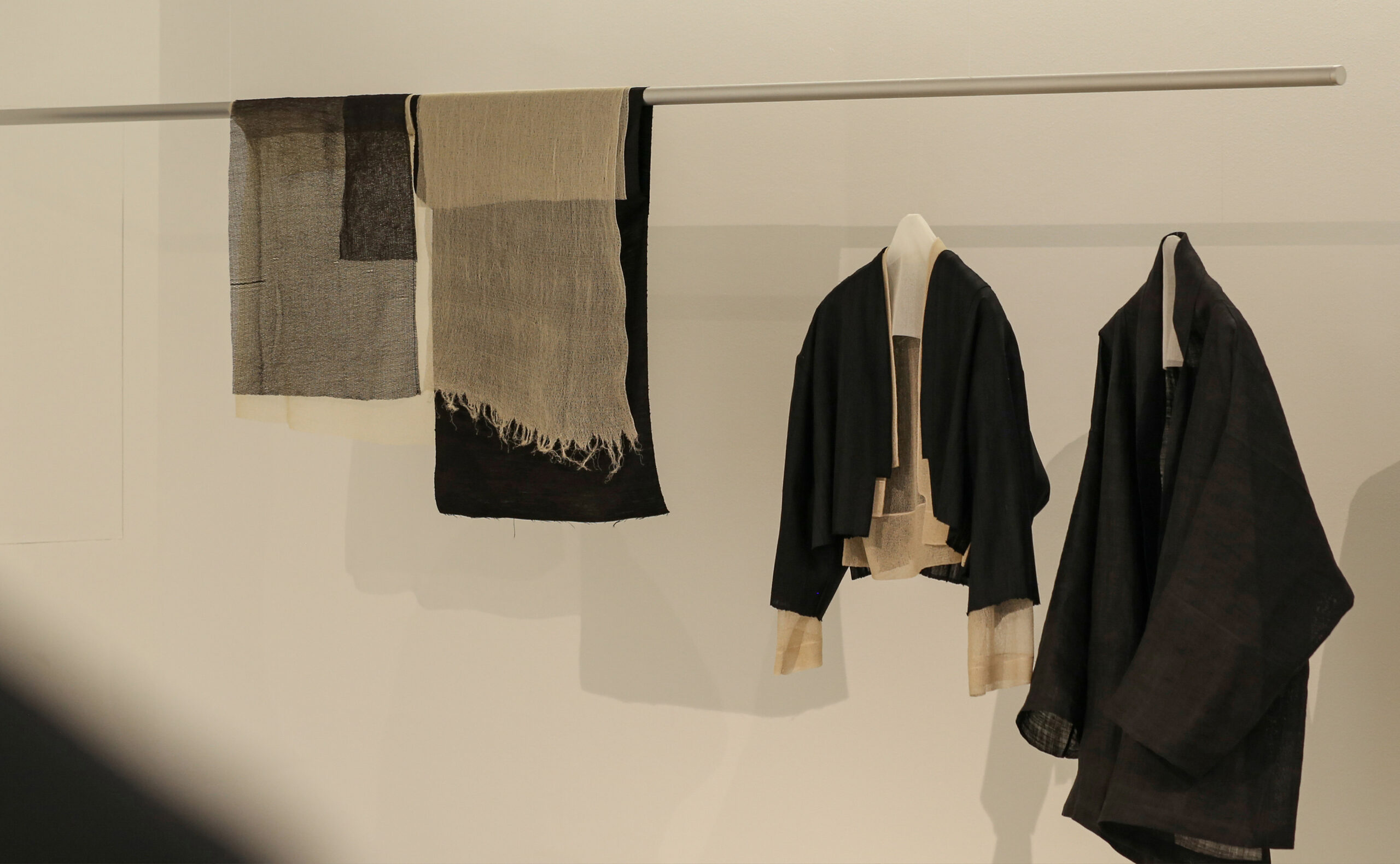
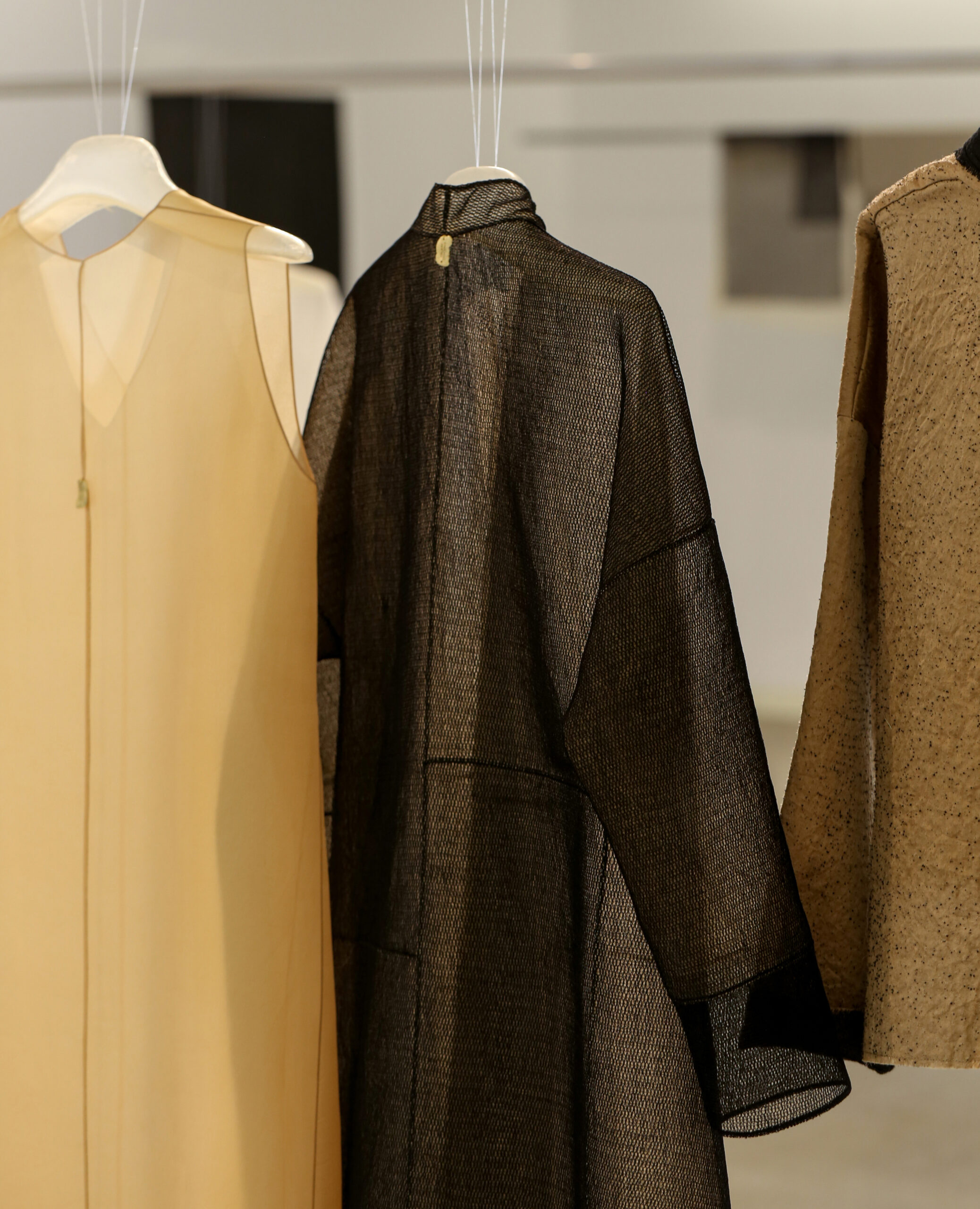
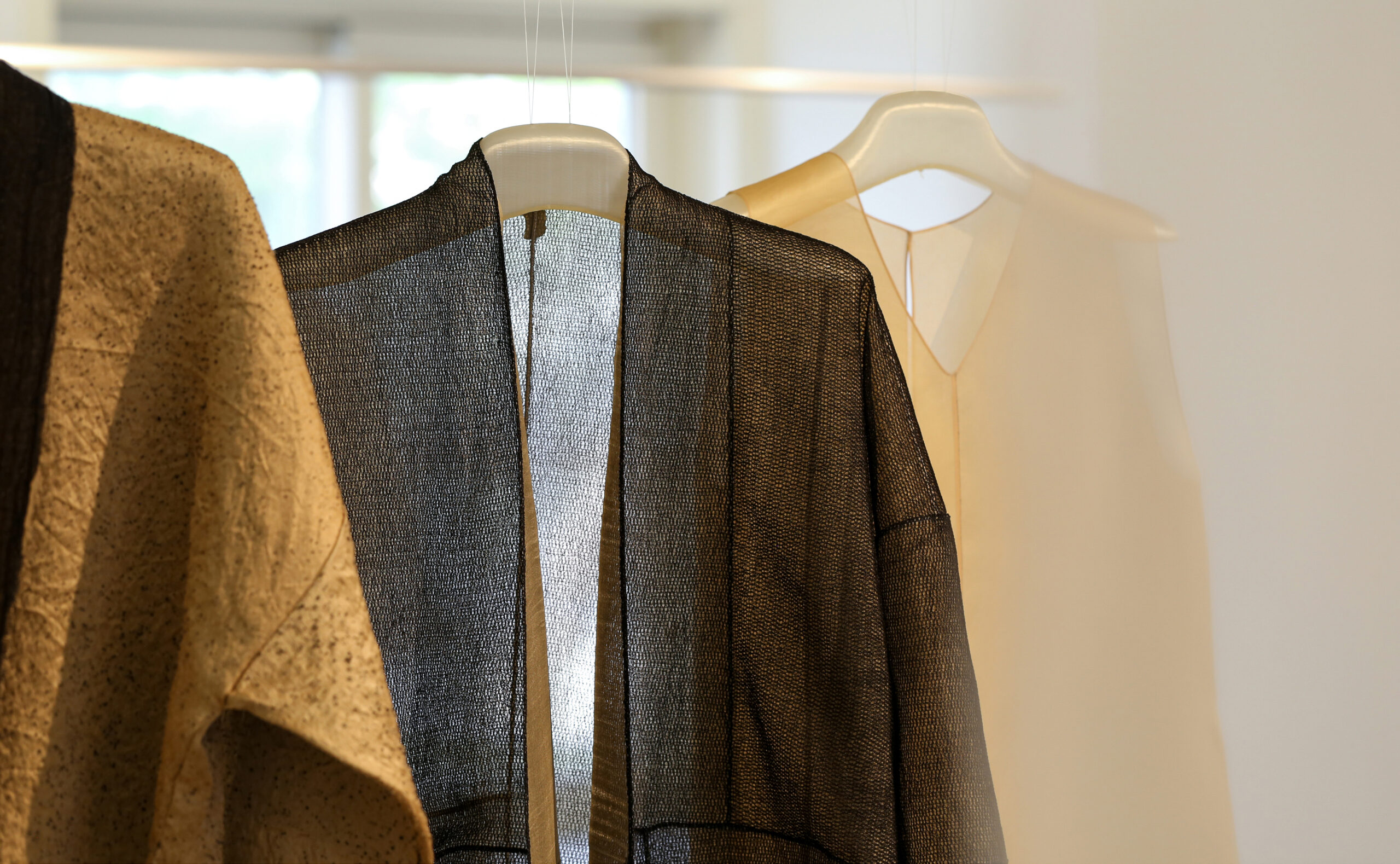
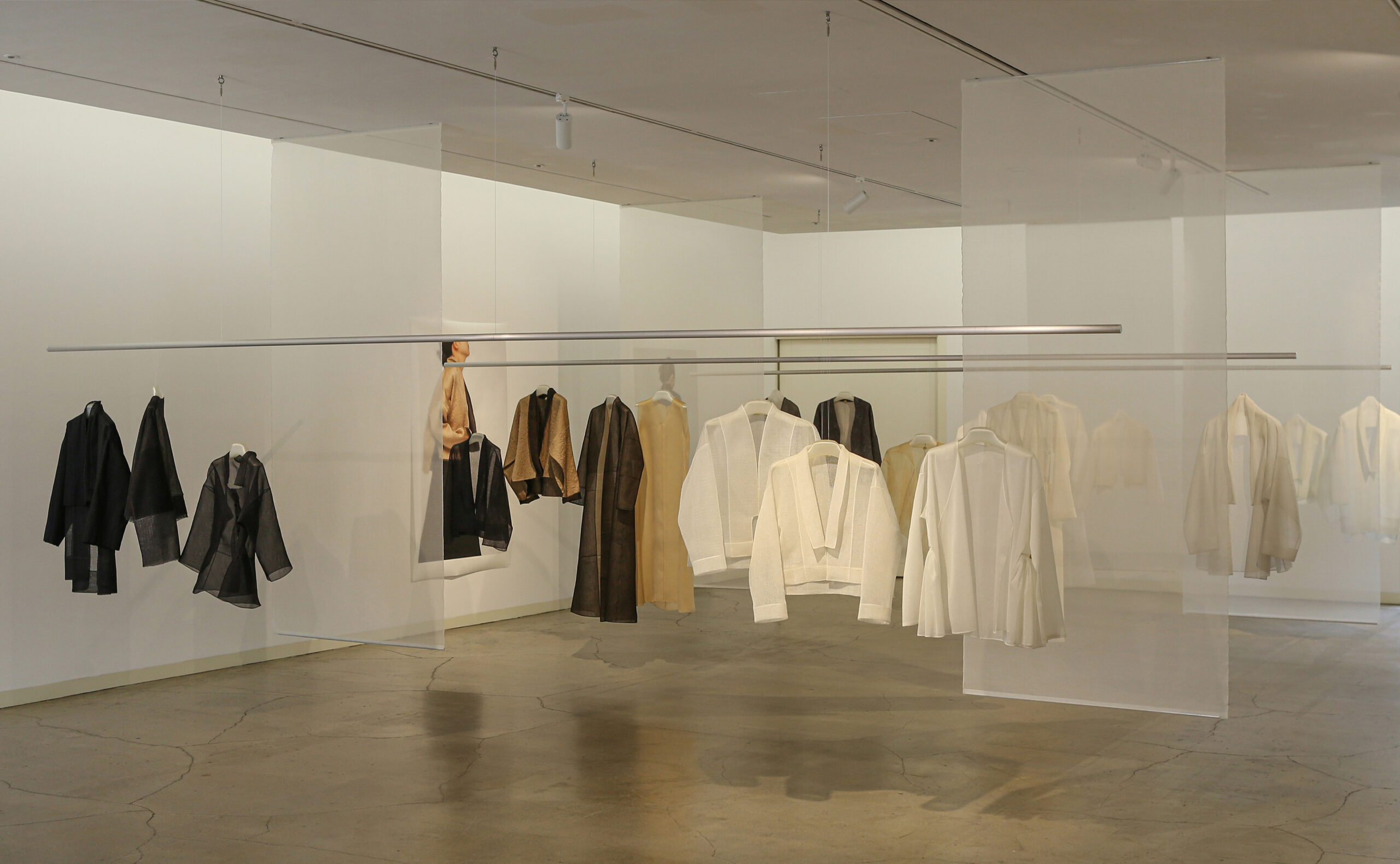
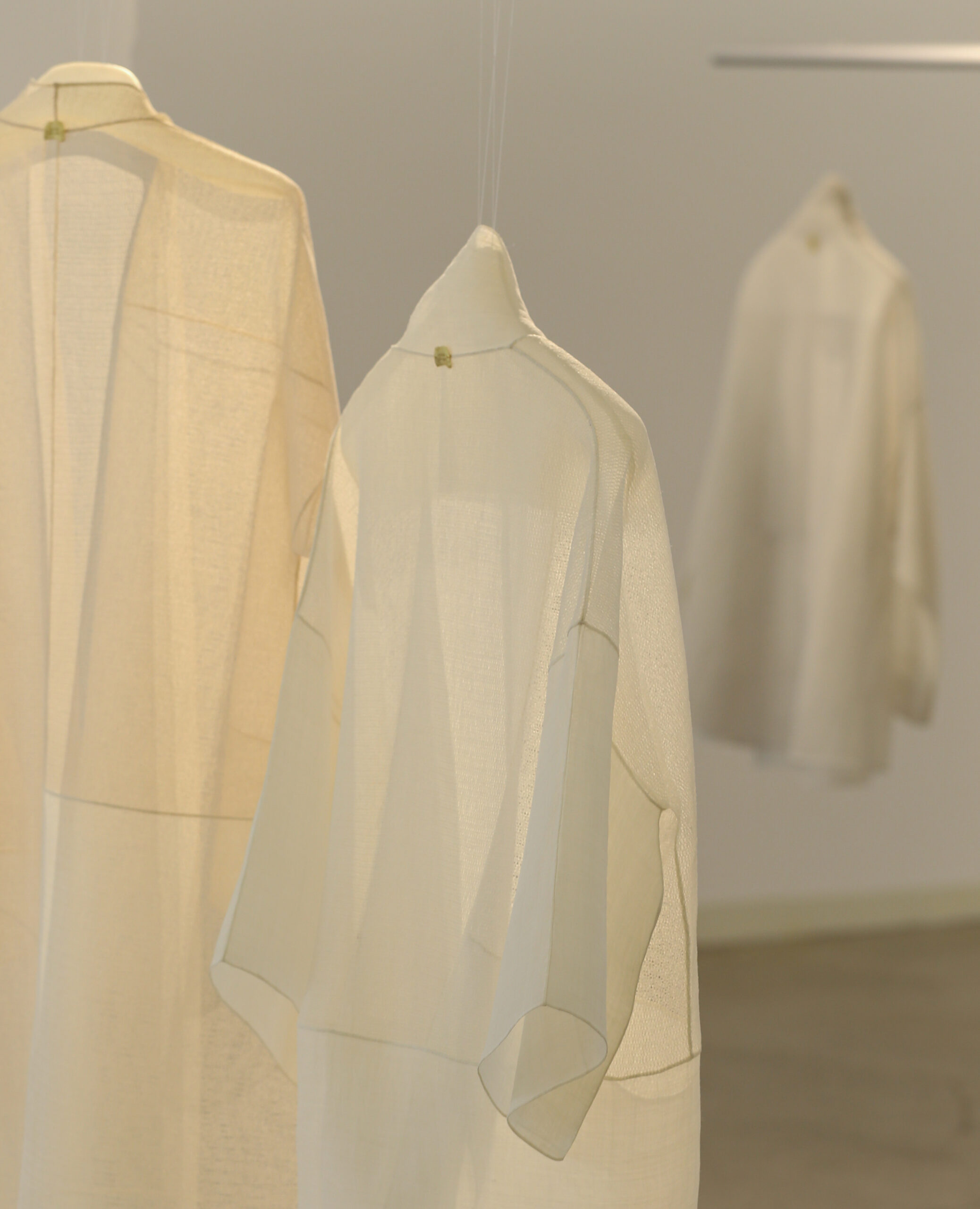
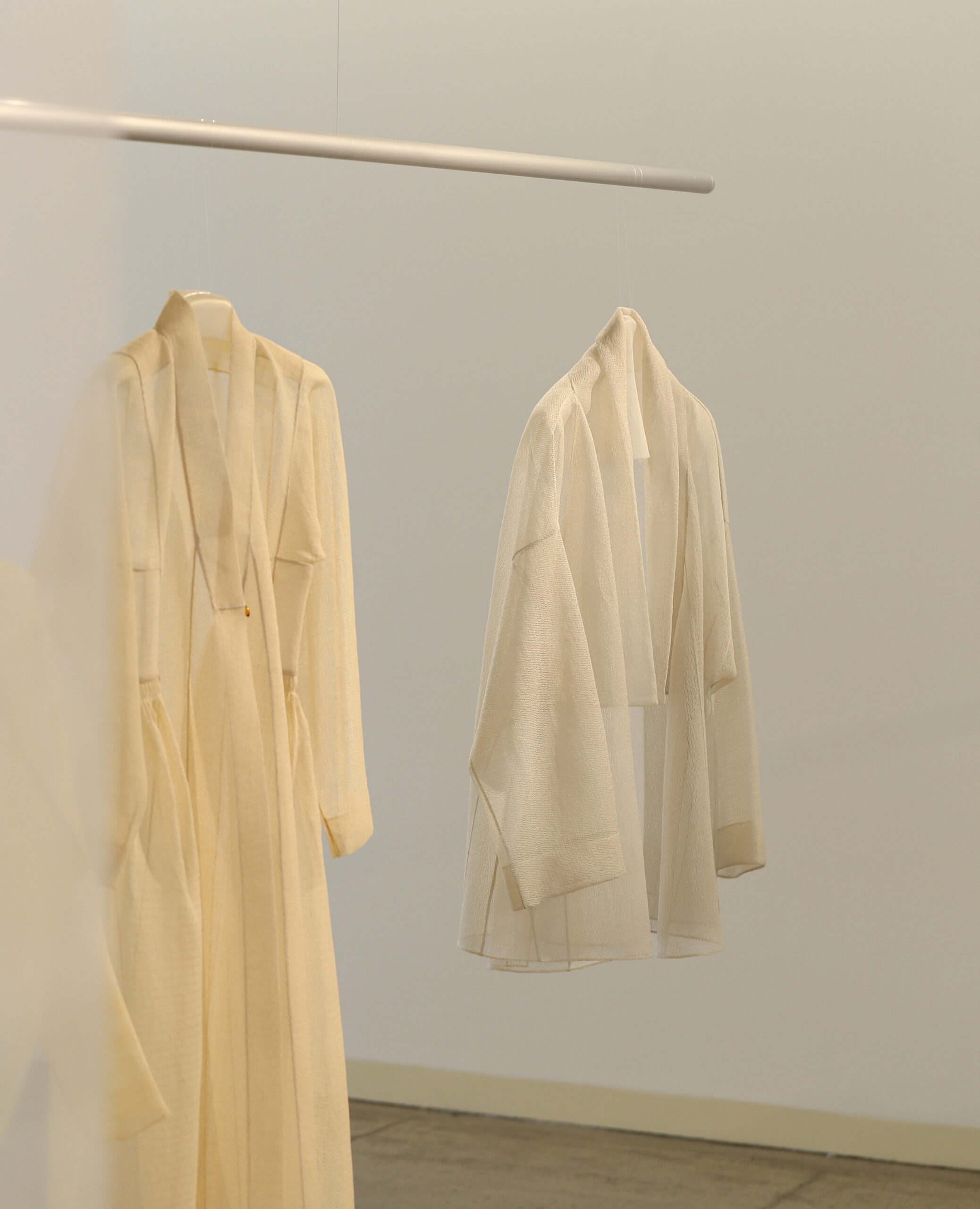
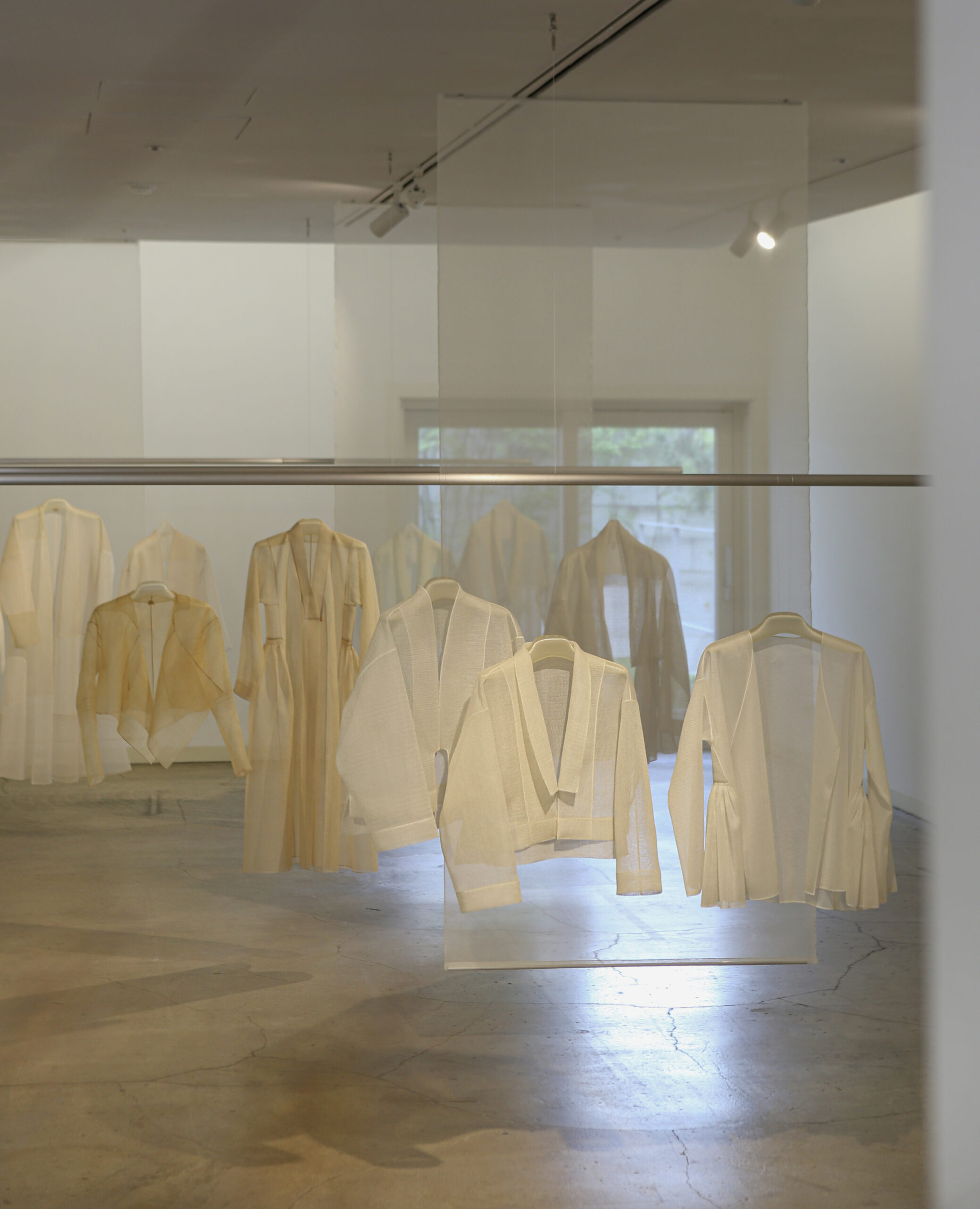
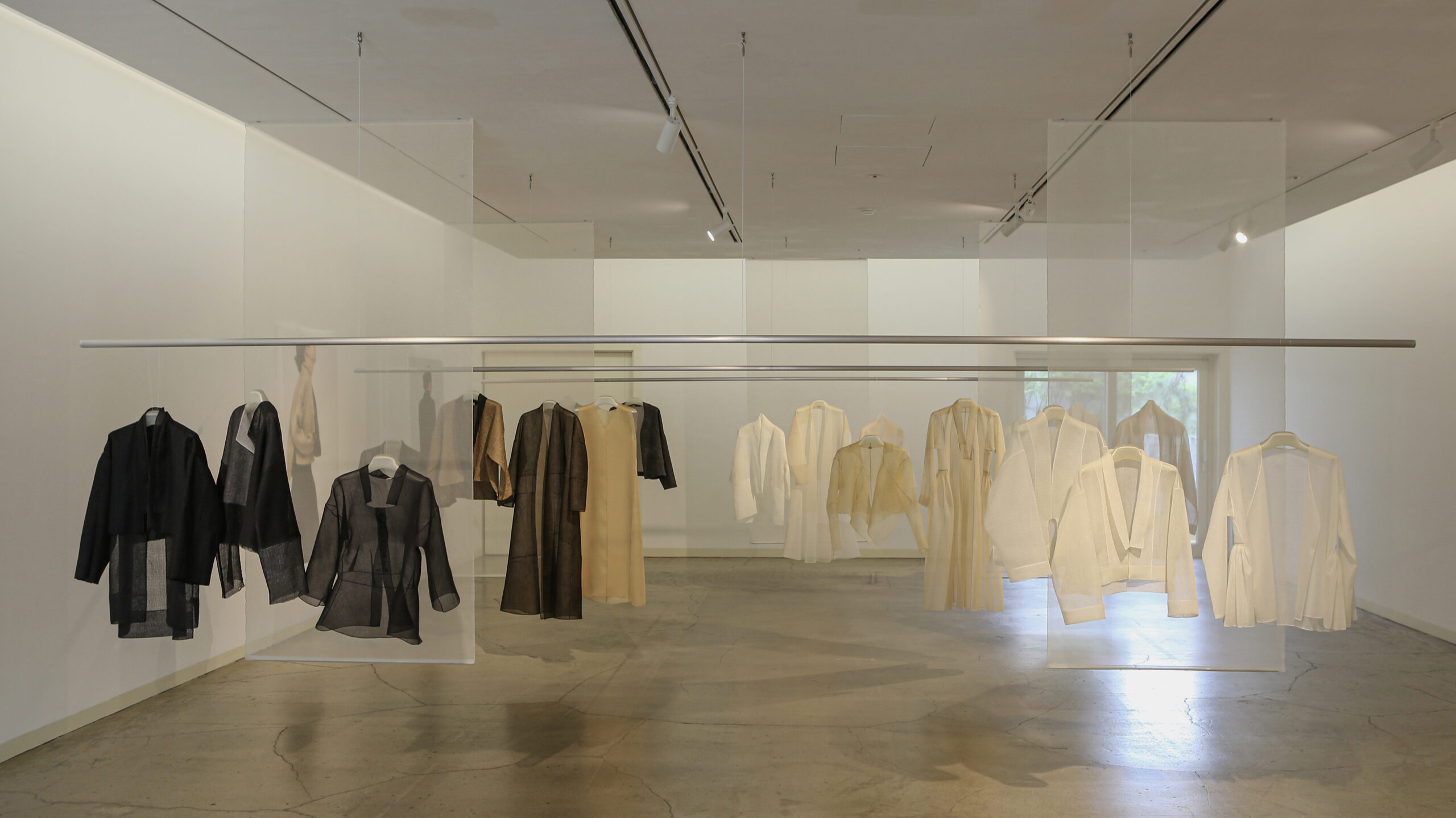
《라, 빛을 엮다》는 온지음 옷공방이 고려시대의 직조술을 현대적으로 재해석한 라(羅) 직물을 바탕으로, 오마 스페이스의 예술적 감각을 결합하여 새롭게 디자인한 현대적 한복을 선보이는 전시다. ‘라’ 직물의 섬유 결 사이에 투영되는 빛의 흐름과 감각적인 경험을 디자인의 주제로 하여, 전통 한복 요소에서 영감을 받아 발전시킨 의복 15~20점을 전시한다. 투명성과 투공성을 지닌 전통 소재 모시, 은조사 등을 함께 매치하여 부드럽고 유연한 실루엣을 강조하였으며, 자연에서 찾은 은은한 색감을 사용한 것이 특징이다. 또한 일상복과 믹스앤매치가 가능하도록 편안함과 자연스러움에 중점을 두었다.이번 전시의 작품들은 우리 한복의 정체성인 상하의가 분리된 이부양식과 앞섶을 v자로 여며 입는 카프탄(caftan) 양식이라는 기본 원칙을 지키면서 동시에 이를 현대생활에 편안하게 스며들 수 있도록 형태, 색상, 소재를 재해석 하였다. 한복의 미적 특징 중 하나인 빛과 바람이 은은하게 비치고 겹치는 ‘우아함’을 표현하기 위하여 온지음에서 개발한 ‘라’직물을 주 소재로 하였다. 1302년에 조성된 아미타불 복장직물인 고려시대 라 직물은 4올의 경사가 서로 교차되어 빛의 투공성과 드레이프성, 신축성이 있는 아름다운 옷감이다. 이러한 옛 유물의 물성과 미감을 끌어낼 수 있도록 과감하게 현대적 직기에 의한 생산기법을 연구하여 고려시대의 미감을 동시대적으로 되살렸다.
Ra: Weaving Light presents contemporary hanbok that bring together Onjium Clothing Studio’s Ra (羅) fabric—a contemporary reinterpretation of Goryeo-period weaving techniques—and the artistic sensibility of OMA Space. Taking the movement of light through the fabric’s interwoven threads and the sensory experience it creates as a design theme, the exhibition features fifteen to twenty garments developed from elements of traditional hanbok. Paired with translucent, open-weave traditional materials such as ramie and eunjosa, the designs emphasise soft, fluid silhouettes and subtle colours drawn from nature. Comfort and an effortless quality allow the garments to be mixed and matched with everyday clothing.The works retain two fundamental principles that define hanbok: its two-part structure of separate upper and lower garments, and its caftan-style construction, in which overlapping front panels close to form a V-shaped neckline. At the same time, their forms, colours, and materials are reinterpreted to fit comfortably into contemporary life. Ra, developed by Onjium, serves as the principal material, expressing a characteristic elegance of hanbok through layers that gently filter light and allow air to pass.The Goryeo-period ra fabric that informed this development was found among the textiles placed inside an Amitabha Buddha statue made in 1302. Woven with four warp threads crossing one another, it is a beautiful fabric with an open structure that admits light, drapes gracefully, and offers stretch. To recover the material qualities and aesthetics of this historical textile, Onjium explored new production techniques using modern looms, bringing the sensibility of Goryeo weaving into the present.