

전시명 Exhibition Title
바닥, 디디어 오르다 Stepping on the Ground, the Flooor Is Raised
전시 기간 Exhibition Period
2020.10.16(금) – 2020.12.08(화) 2020.10.16 – 2020.12.08
전시 장소 Venue
재단법인 아름지기 Arumjigi Culture Keepers Foundation
참여공방 Participating Studios
집공방Housing Studio 집공방Housing Studio
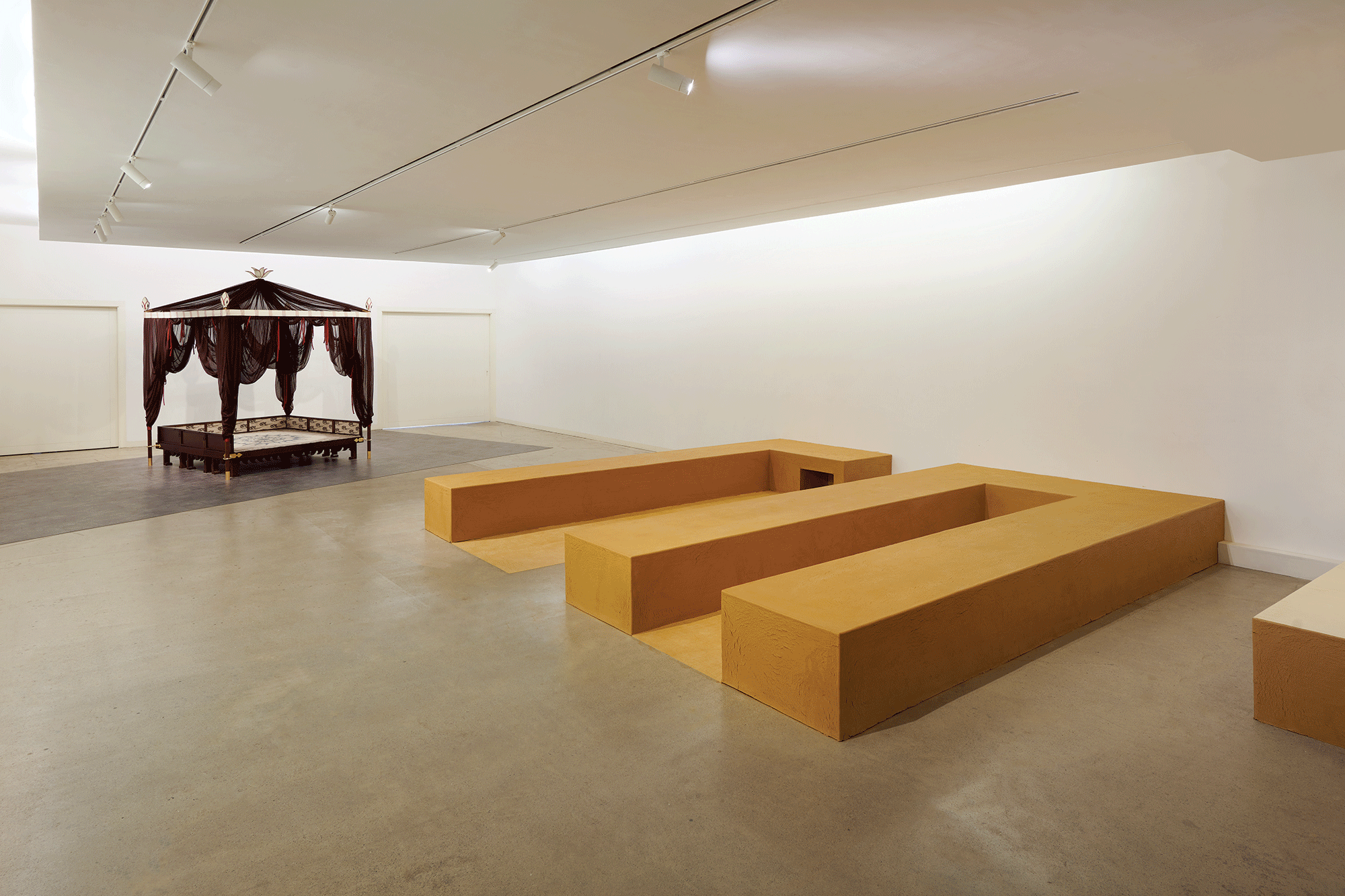
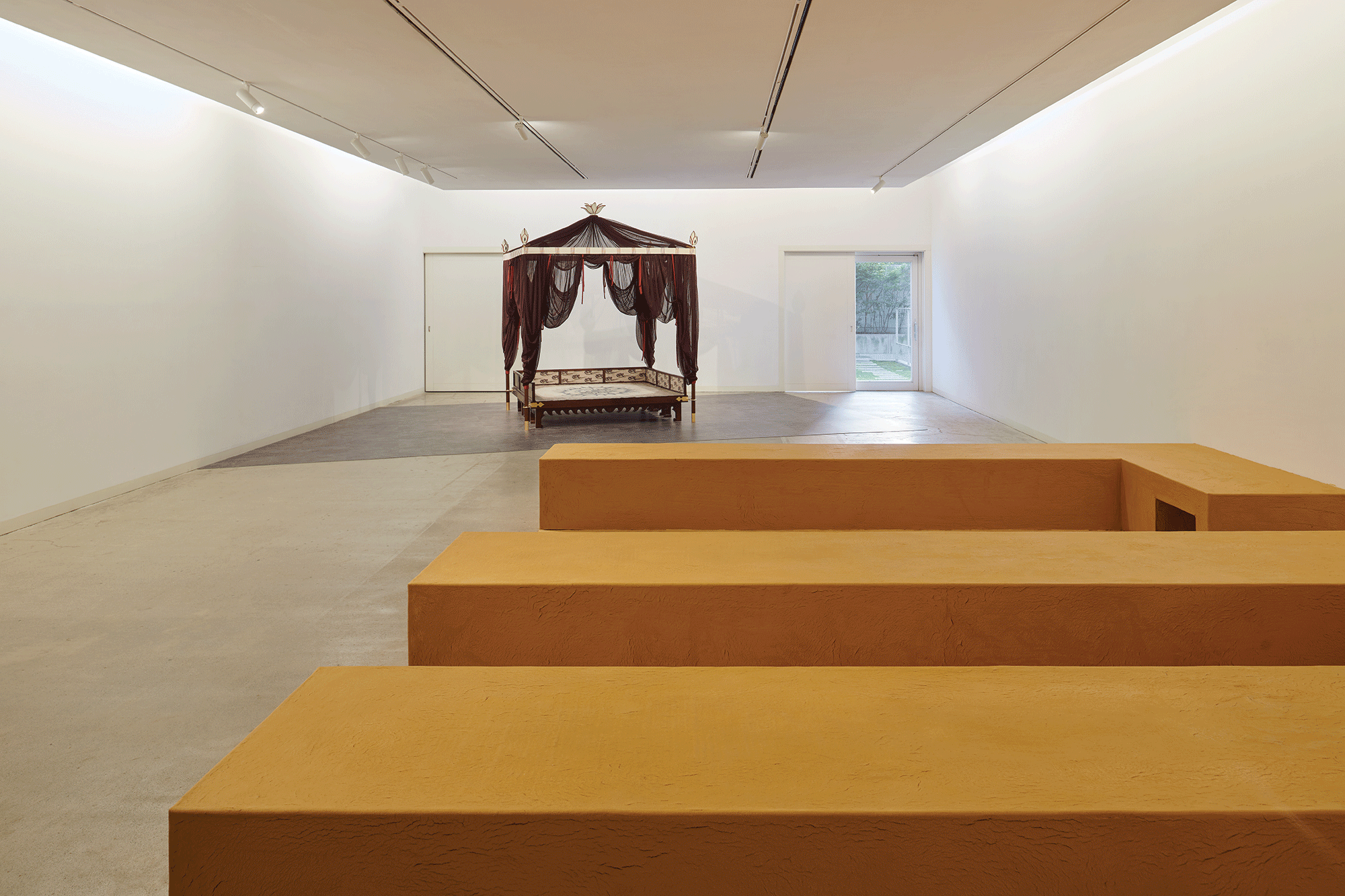
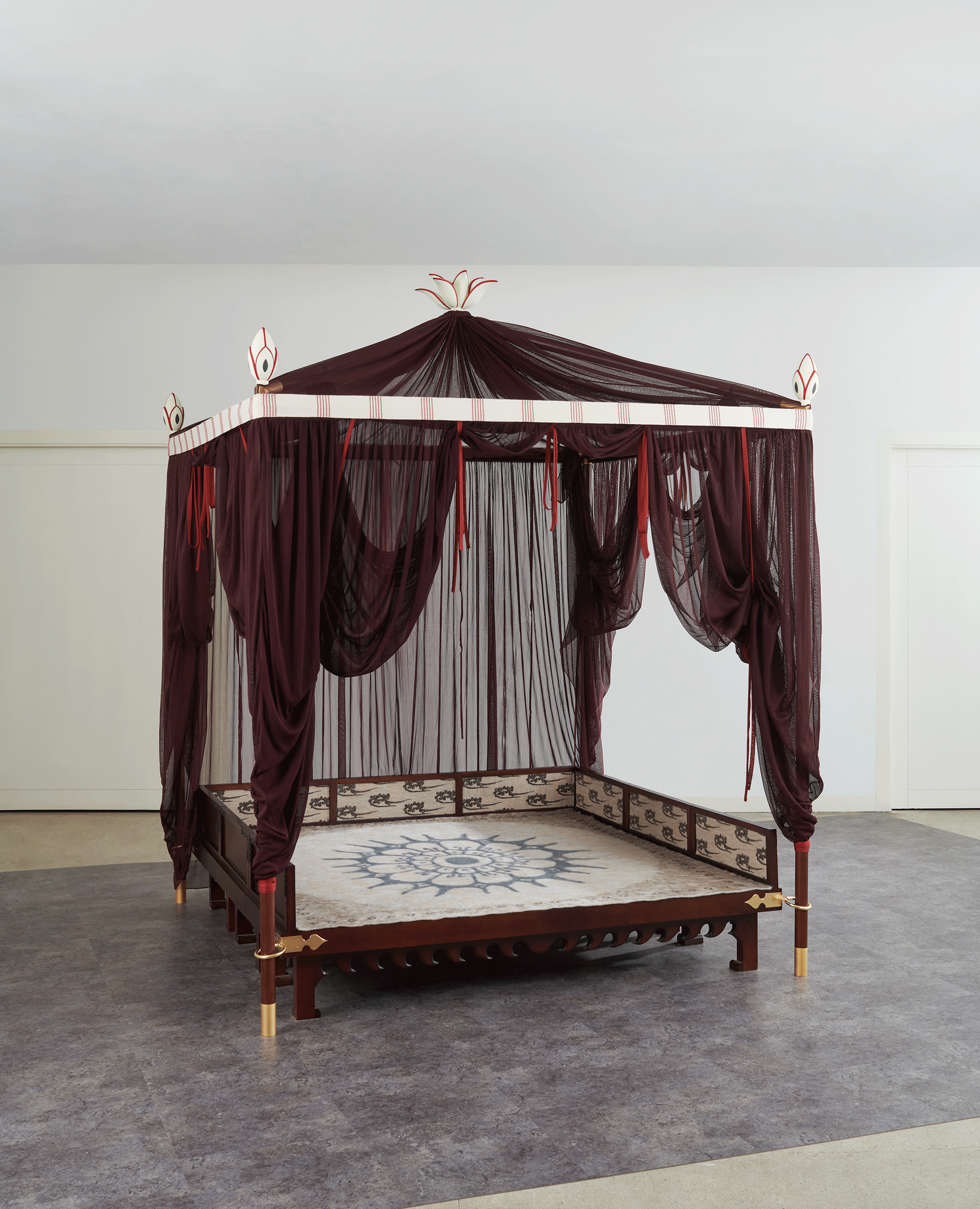
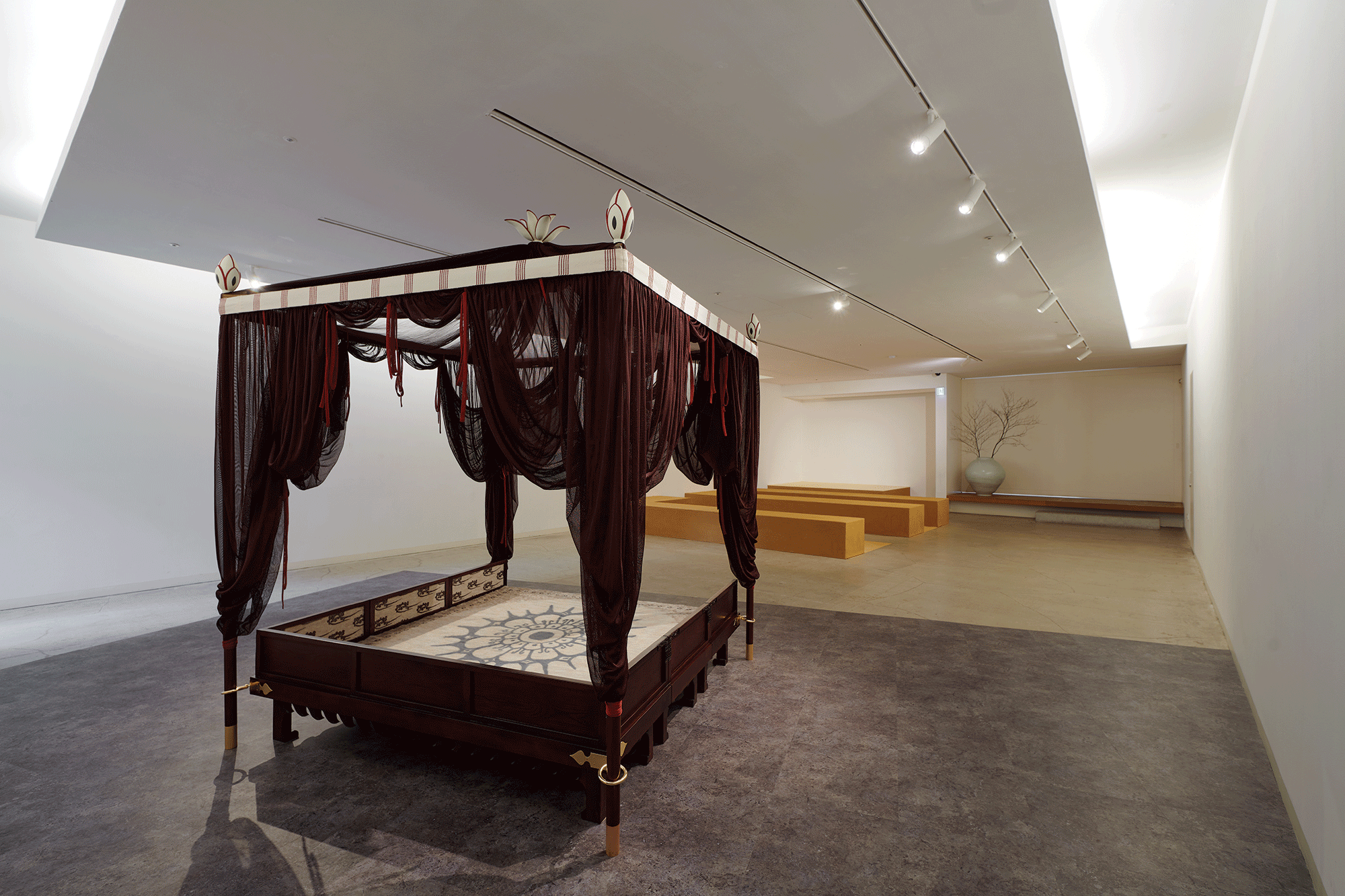
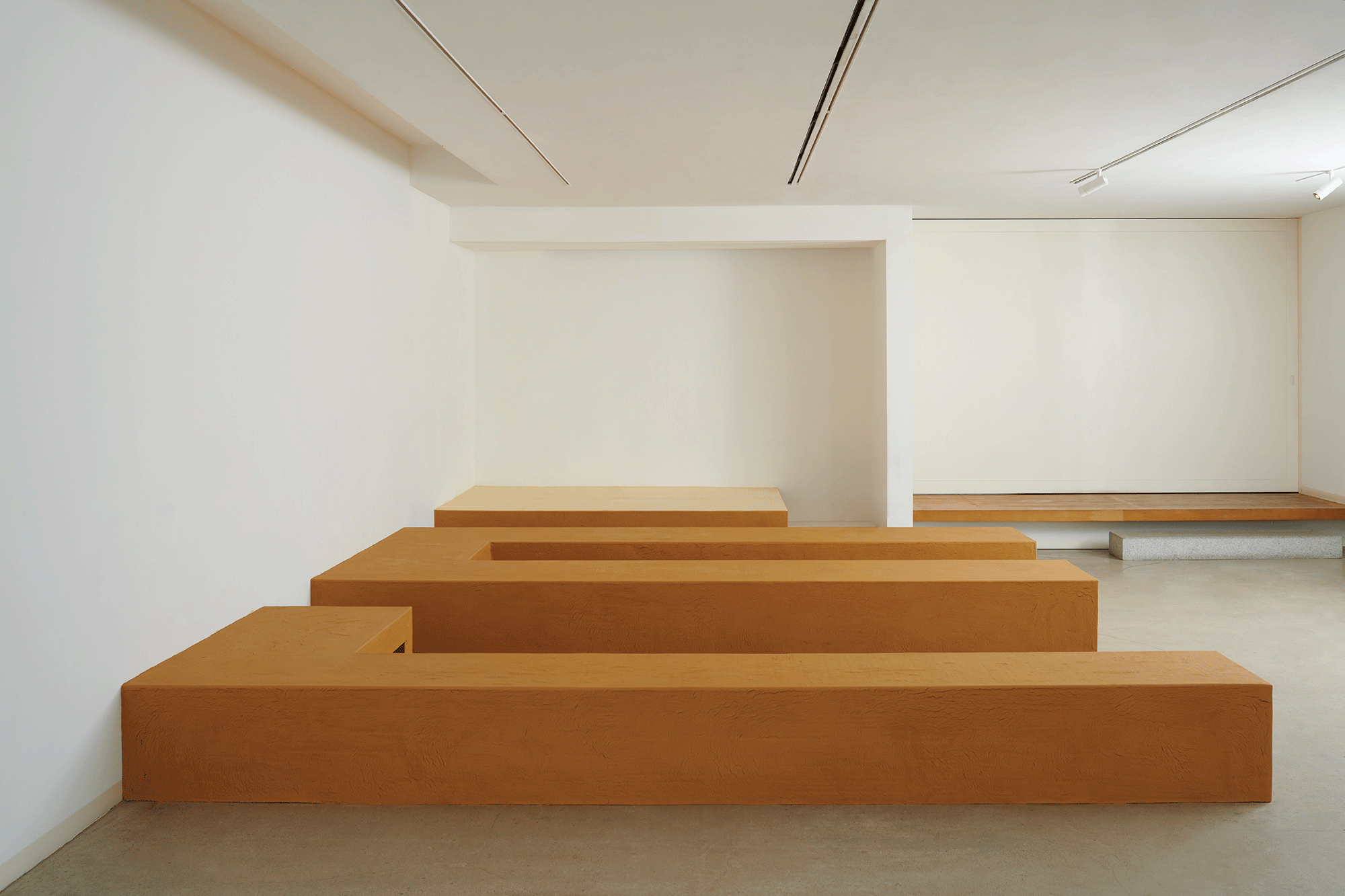
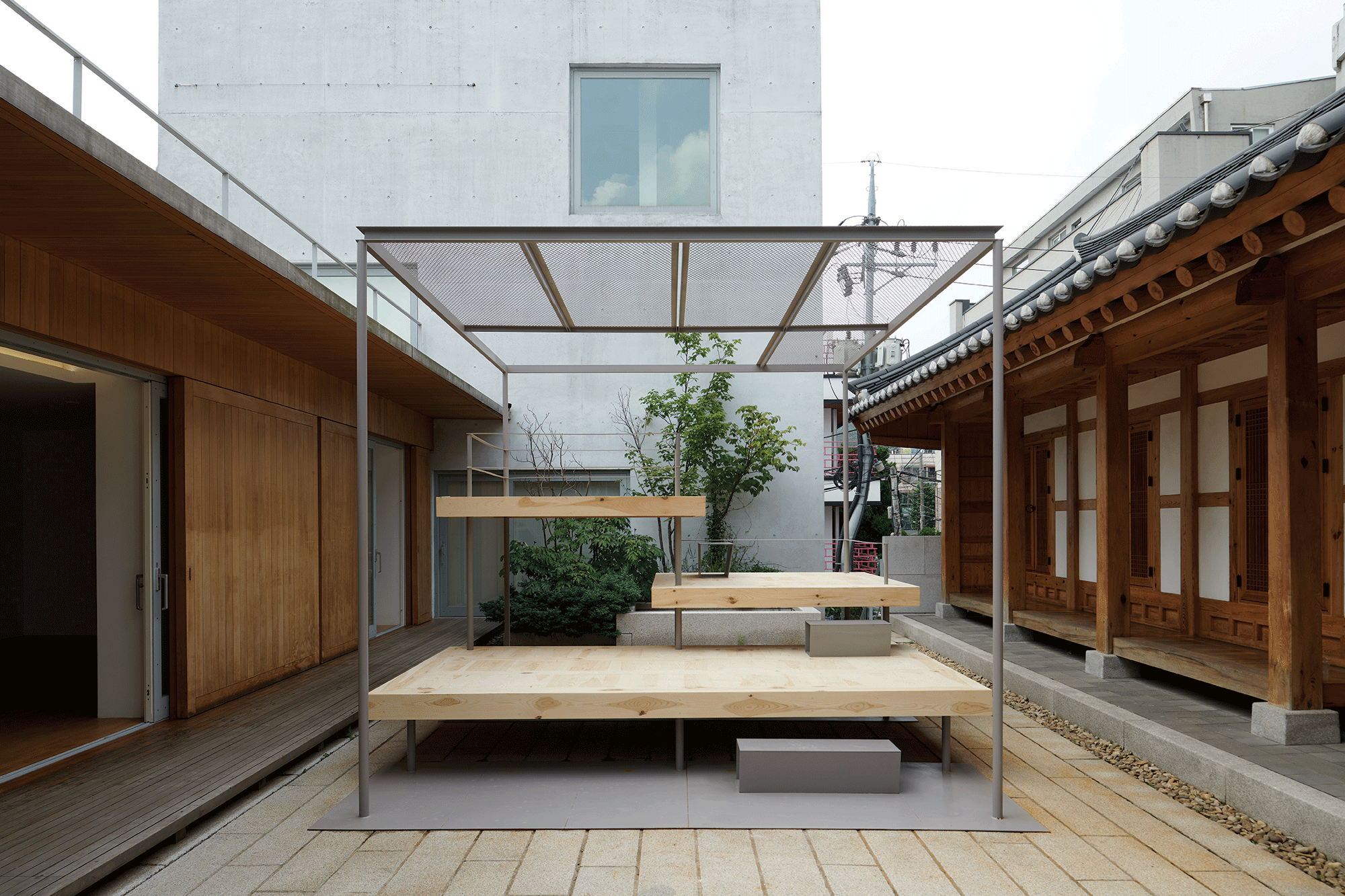
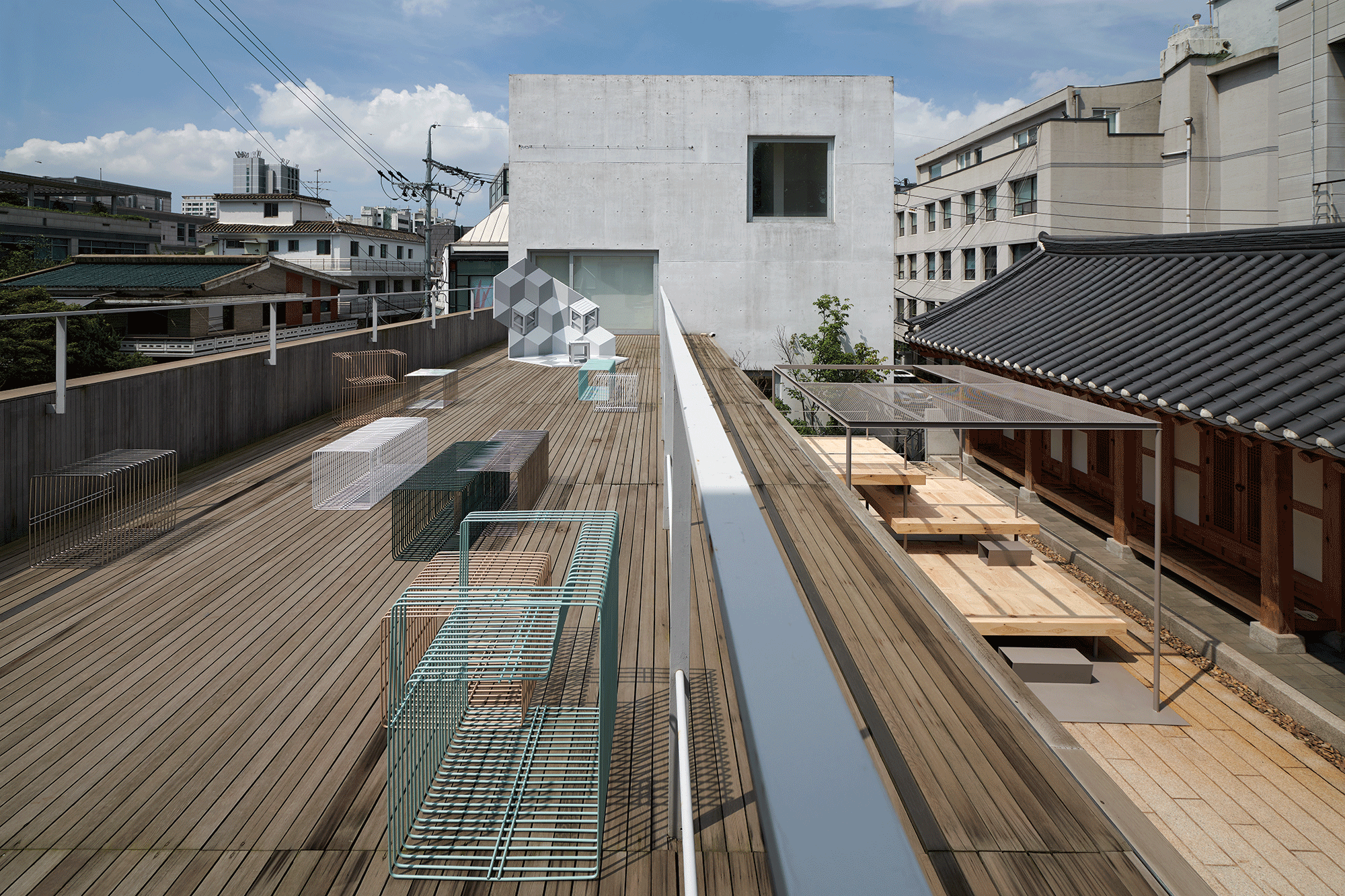
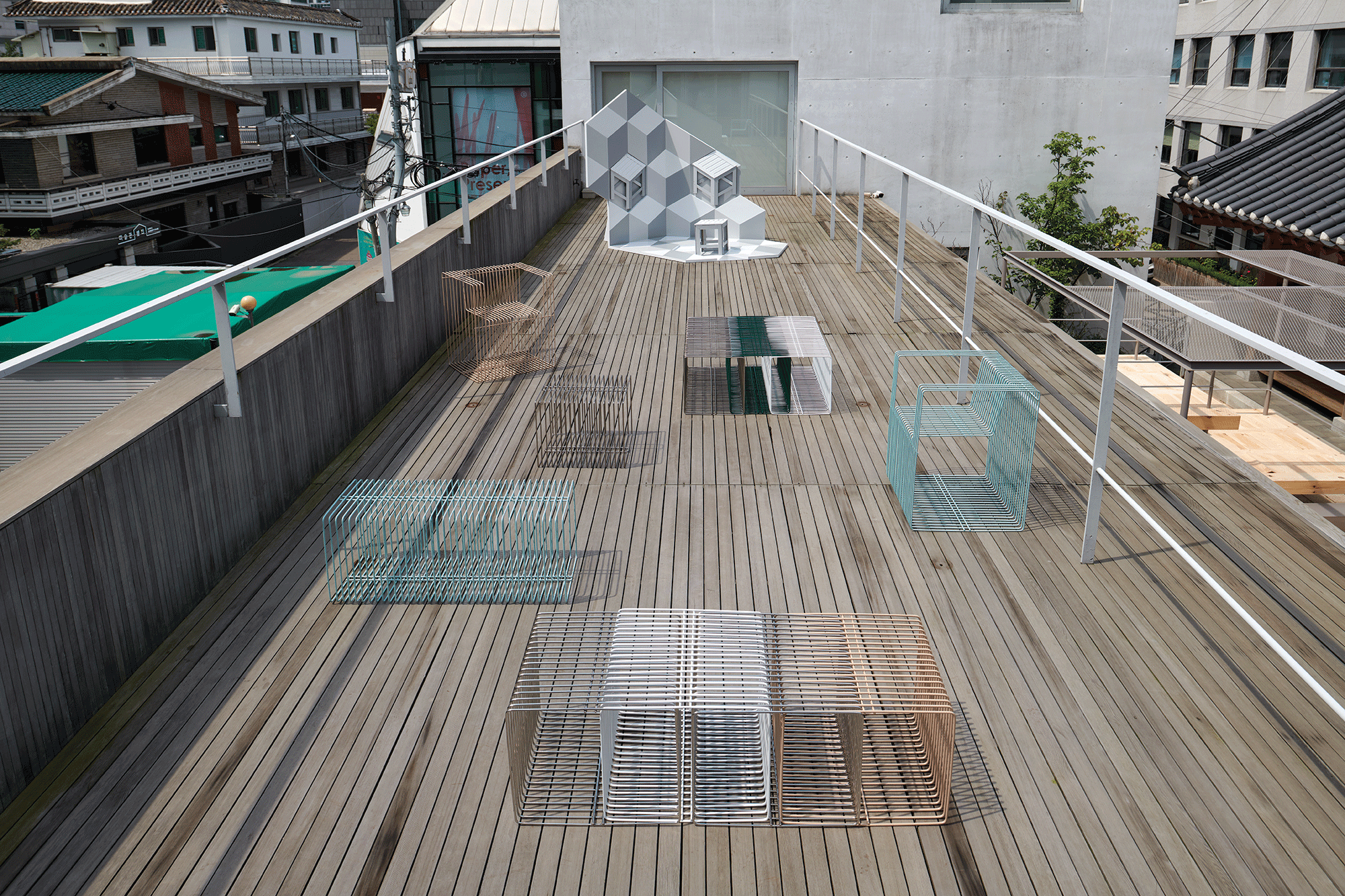
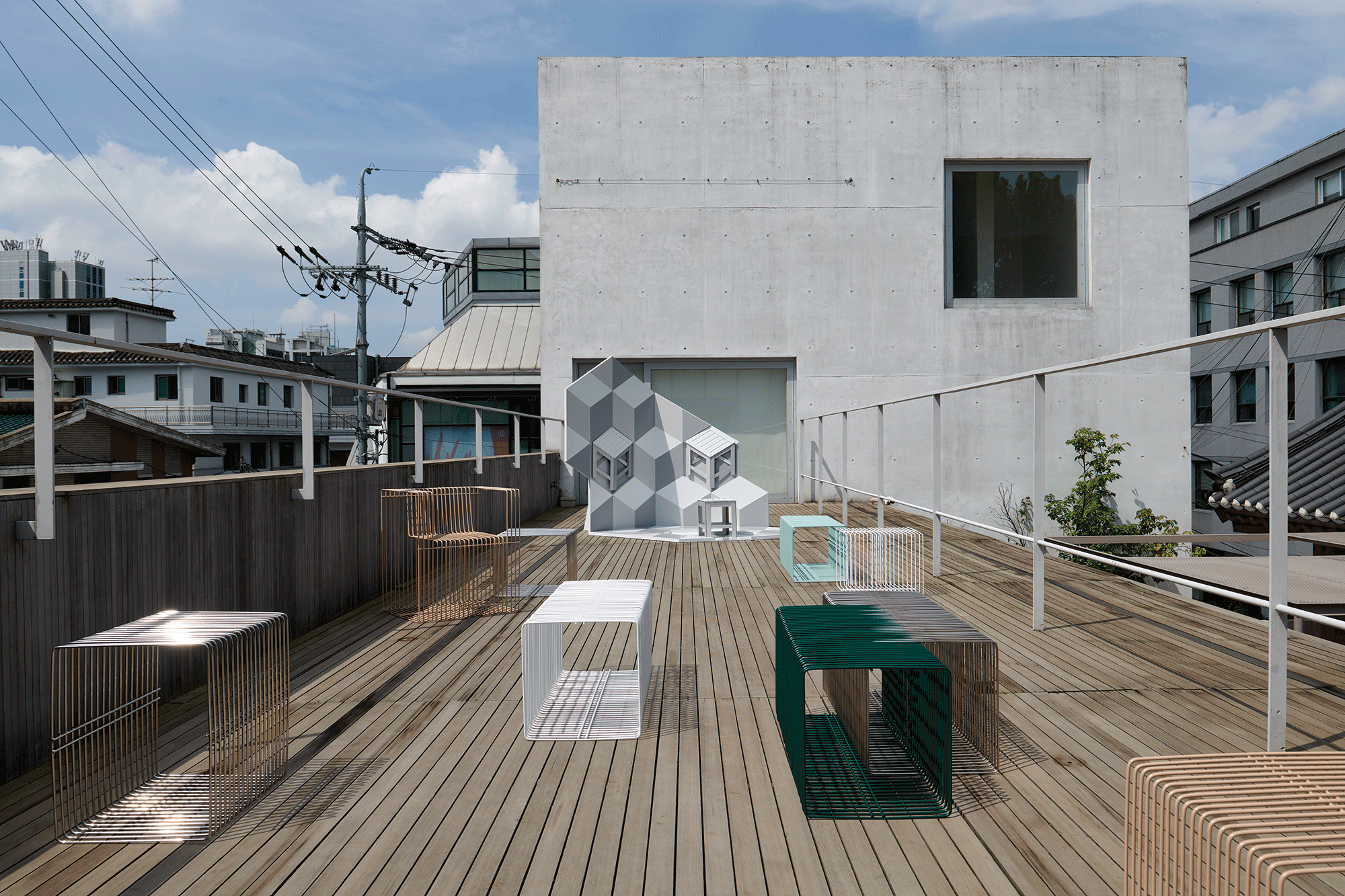
2020 아름지기 기획전 《바닥, 디디어 오르다》는 우리 생활의 가장 낮은 자리에서 삶을 지탱해 온 ‘바닥’의 문화적 의미와 건축적 지혜를 조명하는 전시다. 지면의 냉기와 습기로부터 몸을 보호하는 원초적 기능을 지닌 바닥은 벽과 천장과 달리 인간의 신체와 직접 맞닿는 공간 요소로, 생활 방식과 환경 조건에 따라 다양한 형태와 구조로 발전해 왔다.온지음 집공방은 마루와 온돌의 태생과 변화 과정을 중심으로 전통 바닥 문화의 형성과 확장을 탐구한다. 사계절이 뚜렷한 기후 속에서 ‘마루’와 ‘온돌’을 하나의 건물 안에 공존시키는 건축 형식을 발전시킨 점은 우리 전통 주거 문화의 뛰어난 성취를 보여주기 때문이다.건축 이전의 개념적 바닥을 제시하는 , 온기의 흐름과 확장을 살펴보는 , 다양한 크기와 높이의 마루 구조를 한 건물 안에서 경험할 수 있는 등 전통 바닥의 구조적 특성과 공간적 의미를 다층적으로 보여준다. 또한 전통 좌구인 등(凳), 탑(榻), 상(床)의 면적 개념을 도출하여 현대 작가와 협업한 을 통해, 고정된 건축 요소와 이동 가능한 바닥 개념 사이의 관계를 새롭게 제안한다.
Arumjigi’s 2020 exhibition "Stepping on the Ground, the Flooor Is Raised" explores the cultural significance and architectural wisdom of the floor, which has supported everyday life from its lowest level. With the fundamental function of protecting the body from the cold and damp of the ground, the floor, unlike walls and ceilings, is a spatial element in direct contact with the human body. Its forms and structures have evolved in response to different ways of living and environmental conditions.Onjium Housing Studio explores the formation and expansion of traditional floor culture through the origins and evolution of maru (raised wooden floors) and ondol (underfloor heating). The development of an architectural form that brings maru and ondol together within a single building, in a climate with four distinct seasons, represents a remarkable achievement in traditional Korean domestic architecture.The studio presents the structural characteristics and spatial meanings of traditional floors from multiple perspectives. Tapsang: A Low Wooden Floor considers the floor as a concept preceding architecture; Gudeul: The Extension of Warmth explores the flow and spread of warmth through traditional underfloor heating; and Tongui-dong Gyeongpodae allows visitors to experience wooden floor structures of varying sizes and heights within a single building. In ㄷㅡㅇ, created in collaboration with a contemporary artist, the studio draws on the notion of surface area embodied in the traditional seating forms deung (凳), tap (榻), and sang (床), proposing a new relationship between the floor as a fixed architectural element and the idea of a movable floor.